Author: Jessica Plague

  • 10 Cultural Differences You’ll Notice While Living in France

    10 Cultural Differences You’ll Notice While Living in France

    While participating in a homestay program in France, I started to notice quite a few small cultural differences between my American culture and my host family’s French culture. Whether you’re going to France for the first time, or the tenth time, you’ll probably experience culture shock due to the slight nuances of French life.

    I was surprised that the small differences I noticed were some of the quirkiest and most distinct. While culture shock affects everyone differently, by being open to your experiences abroad you’ll learn to love these differences!

    host-family-in-france

    10 things I learned about French culture during my homestay:

    French People are Like Coconuts: An old French man at a rural train station once told me that “The French are like coconuts; it takes a long time to break through their outside and get to know them, but once you do, they are sweet on the inside.” I found this to be true throughout my experience!

    Consciousness of Resources: In France, I learned how to shower like the French. Despite the body odor stereotype, many people shower every day. But most people take shorter showers or use less water by turning off the water while shampooing or soaping up. They also are more conscious about closing doors, using less heat and turning off lights to save energy!

    Politics are important: In America, we often get annoyed or bored with political discussions causing us to stop paying attention. Sometimes one’s political views are even considered a private matter. However, the eyes of the rest of the world are constantly on U.S. politics, and French people are very aware of geo-political events. Consider brushing up not only on French/Global politics, but the politics of your own country as well!

    Debate is valued: While conversing with the French, don’t be afraid to share your views. They may be different, and you may get frustrated, but the French love a good debate!  It is even considered more polite to discuss politics or the weather with someone you don’t know than what they do for a living.

    Protests are common: I studied in France during political unrest over police violence and there were many peaceful protests around the country. Freedom of speech is a huge part of everyday life. Also, the French unions love to go on strike frequently, and at any time. Because of this, you will learn to be flexible with transportation schedules because they aren’t always reliable!

    Customer service: The French don’t have the same attitude about the necessity of good customer service as we do in the U.S. I struggled with this a lot when I was trying to figure out a problem with a cell phone that I paid for in France. I’m not sure why they aren’t friendlier to people giving them business, but it’s something you just have to accept! This especially applies at restaurants because gratuity is already included in food costs.

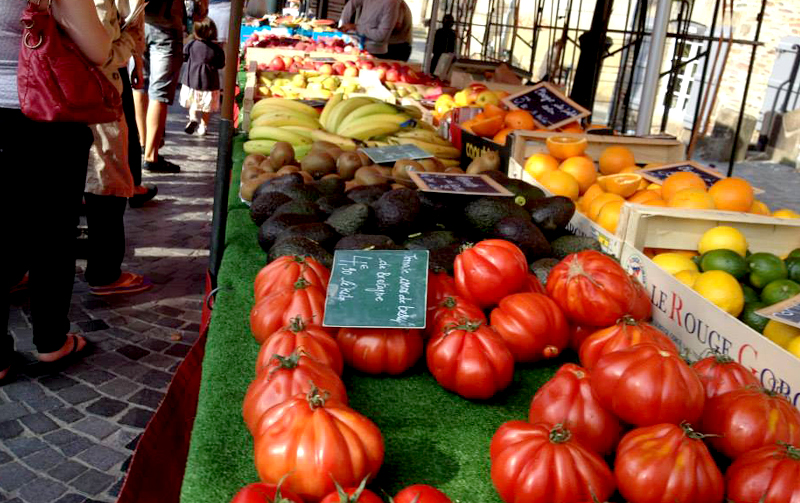
    Grocery Shopping: Not everything will be available in every grocery store as it is in the U.S, and you may find a better variety of food at the outdoor farmer’s market than the supermarket.  It took me weeks to find cilantro! Especially in smaller towns, the food is more natural and local, so it may not be perfect looking, but is definitely healthier than mass shipments of genetically modified produce that we often see in the States. Fresh is best!

    food-in-france

    Breakfast: You are much more likely to have an omlette for dinner than before noon. The English word “breakfast” has an almost opposite meaning to the French word “petit dejeuner.” As opposed to breaking the fast of the long night of sleep, “petit dejeuner” can be translated to mean “small lunch”. French breakfasts are always small to save room for lunch. Often a bowl (yes, bowl) of coffee or hot chocolate with bread and butter is considered to be a standard breakfast.

    Lunch: Lunch is the biggest meal of the day by far. When I had lunch at the university I always got a giant meal, often a meat or pasta dish with at least two side dishes. Then you’d get a choice of cheese, fruit, or yogurt, a dessert, and ALWAYS bread.

    celebrating-my-birthday-in-france

    Dinner: Because of the enormity of lunch, dinner is smaller and later than it is in the U.S. Many people have a snack around 4 in the afternoon to hold off until dinner. Dinner is often as late as 8 or 9 o’clock! Even though it’s smaller, it is an important time for families to come together. My whole host family ate dinner together almost every night and usually stayed at the table for a much longer time than my family in the U.S. would.

    While food is a big part of any culture, it is of utmost importance and seriousness in the French society (notice it takes four out of 10 places on this list!). I still haven’t figured out how the French eat a light dinner AND breakfast and wait until lunch every day for a big meal….but c’est la vie!

    Don’t forget to enjoy some croissants and snails!

    dinner-in-france

  • How to Make the Most of Technology While Traveling

    In planning to travel abroad you may be dreaming about all of the sights you will be instagramming to make people jealous of your adventures (#cute #Italian #boys). When I was abroad for four months I used Facebook, Instagram, and WordPress to share pictures and stories. This was a great way for the people I care about to see what I was experiencing. As long as it doesn’t distract from you making the most of your time abroad, embrace technology. But use it wisely.

    How to Embrace Technology While Traveling:

    x

    Limit Phone/Skype Calls – If you have easy access to wifi, you may find yourself spending long periods of time telling your friends and family about your trip. It may be important for your family to be assured of your safety while you are abroad and they may want you to call or email them frequently. Or maybe you are the one who feels you will need this comfort. However, by the end of my experience abroad, talking on the phone to my family was one of my biggest regrets. It is comforting to feel like the world is small with this easy communication. But it leaves you with no stories to share when you return home.

    Limit Length of Blog Posts or Emails – Unless you are a writer and written work is one of your goals for your trip abroad, make sure blog posts don’t share every detail every time. On average, blog posts run about 750 words before the reader loses interest, and like I said before, you’ll want to save some stories for when you return home.

    blogging while traveling

    Bring a camera! – This seems like a no-brainer! If you have a smartphone with a good camera on it, these are usually easy to bring anywhere, even if phone service is turned off. Plus, you can use it later to easily upload pictures directly to the internet to share.

    Bring an Adapter – If you do bring electronics, you’ll need to charge them. Make sure you have an adapter compatible with outlets in your destination.

    Online Access to multiple bank accounts – this saved me when I was buying plane tickets because one of my debit cards did not work for online transactions while I was abroad.

    Research cell phone plans/calling cards before departure – you may want to use your own phone on an international plan, use calling cards, or get a new phone in your destination. This may put you at ease in emergency situations so it is helpful to find out what has worked for other people in the past.

    Connect with other travelers! – If you have the time or desire, it is fun to use Twitter or websites like couchsurfing.com to find times of organized gatherings of other travelers.

    One thing I wish I had realized was the impact that technology had on my four months abroad. While I developed great independence, I always had the safety net of being just a call away from home. I would recommend thinking about what you hope to gain out of your experience. Maybe this includes completely immersing yourself in a new culture and in doing so, taking a break from your other life at home.

    What are your tips for embracing technology while traveling? Comment below!