


Category: Teach Abroad Programs

  • Teaching Tips Tuesday: Best Practices for Teaching English Outside of the Classroom Setting

    Teaching Tips Tuesday: Best Practices for Teaching English Outside of the Classroom Setting

    Teaching English abroad doesn’t have to be limited to job contracts in a classroom; there are many opportunities to make some extra income as an English tutor offering private lessons. For travelers looking to immerse themselves in the culture and language of another country, teaching English in a homestay is another unique opportunity to live with a host family in exchange for food and accommodation during your travels.

    While our previous teaching tips have focused on motivating students in a classroom setting, below are some best practices for tutoring English in a homestay environment. These ideas turn a living room into a classroom or a dining table into a desk.

    Whether tutoring one-on-one or an entire family at the same time – the following tips and bits of advice are ideal for teaching English in a home setting.

    Preposition word cards for "Prepositions Hunt".
    Preposition word cards for “Prepositions Hunt”.

    Utilize the Living Space

    Once you know the space in which you’ll be tutoring, find out if there are any areas off limits before facilitating an activity such as “Prepositions Hunt”.

    How to play ‘Prepositions Hunt’:

    • This activity works especially well for prepositions describing place such as: in, on, under, over, in front and behind.
    • Write out the above words on pieces of paper or print this PDF of word cards to use.
    • Hide the word cards in, on, under, over, in front and behind objects around the house – or within one room of the home.
    • Allow your student(s) a certain amount of time to find some or all of the cards.
    • Practice the found prepositions after the activity has finished.

    Recommendations:

    • When using ‘Prepositions Hunt’ with more than one family member, try crafting it into a friendly competition to see who can find the most!
    • Any vocabulary word or short English phrase could be used instead of prepositions to make this activity into more of a general “hunt”.

    Notes:

    • Never underestimate the power of play in the learning environment.
    • Doing something like the ‘Prepositions Hunt’ works well for one student, siblings, or an entire family at once.
    Colored pencils and markers for teaching materials.
    Colored pencils and markers for teaching materials.

    Be Resourceful

    Similar to using the space within a homestay for dynamic lessons, understanding what resources are available for you to use in the house is also important as an English tutor.

    Here are some questions to ask before your first lesson:

    • Will you have a whiteboard or a chalkboard available?
    • Do you have access to a computer and/or a printer?
    • What’s the Internet connection like?
    • Does the family have a stock of board games?
    • Is there an English dictionary or thesaurus collecting dust on a shelf?
    • Are crayons, markers or colored pencils hiding in drawers?

    Notes:

    • Once you know the materials you have to use, you’ll be able to better sculpt your lessons.
    • Don’t be afraid to ask for certain items!

    Books and thesauruses on a shelf.
    Books and thesauruses on a shelf.

    Befriend a Thesaurus

    One of the best ways to help students increase fluency is to expand their vocabulary. And what better way to do this than synonym practice? Many Thesauruses such as the Oxford English Thesaurus for Schools give access to websites with very helpful lesson plan ideas and interactive games as well.

    The advantage of teaching English in a homestay is being in constant contact with your students. Challenge the family to use newly learned words throughout the day or week.

    Recommendation: Pack a Thesaurus!

    Images on Rory's "Story Cubes".
    Images on Rory’s “Story Cubes”.

    Think of Games that can be Played One-on-One 

    More often than not, you’ll be tutoring only one student at a time. It’s essential to think of games for two players (teacher included), or ones that can easily be modified for no more than two participants. Something like Rory’s “Story Cubes” works perfectly in one-on-one settings to practice verb tenses in particular. Story cubes help students think, communicate, and be creative with the English language.

    Ways to use ‘Story Cubes’ to teach English:

    • Start by helping your student discover possible words for all pictures on the cubes.
    • Identify which verb tense you would like your student to practice.
    • Roll one cube and create an example sentence that incorporates the use of that image.
    • Continue with rolling two or three cubes (up to nine) to make longer stories with one, two or three sentences and so on.
    • Depending on the level of English your student has, stories can be simple or complex.
    • For a fun twist, take turns rolling one cube at a time to build a collaborative story together.

    Other suitable games for one-on-one English instruction:

    Recommendations:

    Notes: 

    • ‘Story Cubes’ can also be played with more than two players – get the entire family involved!
    • It would be a good idea to bring any of the games mentioned above with you, or easily create your own versions.
    A simple lesson plan list for teaching English.
    A simple lesson plan list for teaching English.

    Structure Lesson Plans and Designate a Classroom Area

    Certain challenges can present themselves when teaching in a homestay. It’s a comfortable environment, which is a good thing on the whole, but depending on which age you’ll be tutoring – this concept of comfort might pose some difficulties.

    Perhaps the most efficient way to combat this is to designate a certain area of the home as the “classroom”. This could be the dining table, a comfy couch or even a favorite spot on the rug. In addition, structuring a lesson similar to how an English class would be taught is beneficial.

    Typical components of an English lesson plan:

    • Warmer: Start with a short activity to get your student(s) excited and ready to learn.
    • Presentation: Outline learning objectives for the lesson and go over what will be introduced.
    • Practice: Help your students practice new vocabulary, grammar points, and/or expressions as outlined.
    • Production – Come up with one or two engaging ways (such as ‘Story Cubes’) to get your students to produce whatever skill or aspect of English is being instructed.
    • Review: End the lesson on a light note with a quick game for review.

    Recommendation: Even if having a ‘classroom’ works best for your specific situation, don’t be afraid to venture outside of that space from time to time to boost excitement and keep the level of motivation high.

    It’s common for teachers to offer learning incentives in the classroom. This method of encouragement works quite well while teaching outside of a school, too! Consider incorporating something like a sticker chart or a point system in your private lessons or with a family as well. And check out these other teaching tips we’ve shared for some extra inspiration! 

    Would you like even more advice for teaching English in a homestay? Visit our Facebook group!

  • Teaching Tips Tuesday: Creative Ways to Get Students Talking in the English Classroom

    Teaching Tips Tuesday: Creative Ways to Get Students Talking in the English Classroom

    So much goes into putting together an appealing learning environment. Packing a lesson full of entertaining activities and incorporating a motivational reward system are just a few of the necessary pieces.

    One of the biggest challenges Greenheart Travel English teachers seem to face abroad is getting students to speak the language they’re learning. Mainly out of fear of making a mistake, or nervousness over being the first to volunteer.

    Coming up with fun activities, such as ways to randomly select students to speak, keeps everyone on their toes. Such a strategy is essential for assessing knowledge, maintaining fairness, and getting students of all ages and levels to actually converse.

    Here are five creative ways to get students talking:

    pile-of-dice

    “Dice Roll”

    Materials: You will need two or more dice.

    How to use dice to choose students:

    • Roll two or more dice (depending on how many students are in your class).
    • Keep the number rolled a secret.
    • Give students the option of saying one, two, or three numbers in a row.
    • This continues down a row, or around the room, until one student says the number you rolled.
    • He or she then needs to say whatever it is you’re practicing in English.
    • Start over with the next student in line.
    • Continue doing this until all students have had a chance to guess numbers, and when at least several have been selected to speak.

    Recommendation: Let the student who said the correct number roll the dice each time.

    Notes:

    • Make sure students begin counting at two or three, depending on how many dice are rolled. For two dice they should begin at two. For three dice they should start at three and so on.
    • This activity works best in medium-sized classes of 15-20 students. It could potentially take too long with larger groups.

    popsicle-stick-pickers-in-a-jar

    “Popsicle Stick Selectors”

    Materials: You will need enough Popsicle sticks to match the number of students in your class, a permanent marker, and a container such as a jar, bag or basket big enough to hold the sticks.

    How to use Popsicle sticks to select students:

    • Write numbers on one end of the Popsicle sticks.
    • Number your students.
    • Pick a Popsicle stick.
    • The student with the same number as the Popsicle stick that was drawn must practice something in English.
    • Repeat this as many times as needed.

    Recommendations:

    • Allow a different student to choose the Popsicle sticks each time.
    • You could also do this activity with numbered pieces of paper, dice, or Ping-Pong balls instead of using Popsicle sticks.

    Note: Selecting students this way goes quickly and works well when two or more are needed to talk at the same time.

    handful-of-wooden-chopsticks

    “Chopstick Pick”

    Materials: You will need enough wooden chopsticks for the amount of students you have and a marker.

    How to use chopsticks to pick students:

    • Color the ends of some of the chopsticks, but not all.
    • Hold the chopsticks and walk around the classroom to have each student take one.
    • Cover the ends of the chopsticks as students are picking so they can’t see which ends are colored.
    • Once everyone in the class has a chopstick, inform the students that those with the colored ends need to practice saying something in English.

    Recommendation: In order to maintain excitement and suspense, switch this up each time you decide to use this activity to randomly select students. For example: Instead of having the students who picked the colored chopsticks go, have those without the colored ends talk.

    Note: Here are many other uses for wooden chopsticks in the English classroom!

    “Catch the Bunny”

    Materials needed: One small and one large ball.

    How to play ‘Catch the Bunny’:

    • Have students stand or sit in a circle.
    • Explain that the small ball is the “bunny” and the large ball the “farmer”.
    • The point of the activity is for the big ball to meet with the small ball (as seen in the video below).
    • The farmer has caught the ‘bunny’ once this happens, and the two students next to each other should say something in English.
    • Do this as long as time allows.

    Video music source: bensound

    Recommendation: Make sure to start the balls at different points around the circle each time, or they may end up back with the same two students over and over again.

    Note: This game can be played with students of all ages; however, older or adult students may not care for the balls being referred to as a ‘bunny’ and a ‘farmer’.

    small-balls-with-faces

    “Pass the Ball”

    Materials needed: You will need at least one ball and music.

    How to play ‘Pass the Ball’:

    • Once the music starts, hand the ball to one student at random.
    • Students pass the ball around the classroom – either standing in a circle or sitting at their desks.
    • Students should keep passing the ball until the music stops.
    • The student holding the ball when the music stops needs to say something in English.
    • Start the music again and repeat this activity as many times as possible.

    Recommendations: 

    • Use more than one ball at a time to get more students involved in a conversation.
    • Younger students really seem to enjoy passing objects like stuffed animals, soft toys, or balls with smiley faces (as pictured above).
    • If you don’t have a way to start and stop music in the classroom, try having students sing or say a short chant.

    Notes: 

    • Make sure students pass quickly and quietly, or this could get very out of control.
    • Ensure students don’t throw the ball during this activity unless you want a mess.
    • ‘Pass the Ball’ has been particularly popular to use for teaching in South Korea!

    If you’re having some difficulty getting students to speak up, we’re convinced these activities will make your learning environment come alive with the sound of more students practicing English! These five creative ways to get students speaking English in the classroom work especially well at the beginning and/or ending of a lesson. Do you need other lesson plan ideas and teaching inspiration? Check out our various teaching tips posts!

    What other ways have you been able to get students up and talking in the English classroom? Share by commenting below!

  • Teaching Tips Tuesday: 5 Successful Incentives to Keep Students Motivated in the English Classroom

    Teaching Tips Tuesday: 5 Successful Incentives to Keep Students Motivated in the English Classroom

    The activities outlined below are meant to provide new and experienced Greenheart Travel teachers alike with ideas and inspiration for encouraging students. Most work better with younger learners, but all could definitely be adapted for older learners as well as adults!

    Offering incentives in the English classroom is highly successful in keeping students motivated to learn. Learning incentives also serve as an effective classroom management technique, which will be discussed further in another post on teaching tips.

    Check out these Incentives to Keep Students Motivated in the English Classroom:

    1. Make Learning Seem Like a Game

    Crafting a lesson to feel like a game is an art – an art anyone teaching English overseas should master. No matter what age of student you’re teaching, games can be used as incentives to keep learners engaged.

    “My favorite method was to split the kids into teams and make the whole class a game. Each team got to pick their name. When a student gave a correct answer or volunteered for an activity, he or she got a point for their team. If a student misbehaved, they lost points for their team. I’d have candy or stickers for the team with the most points at the end of each week.”Savannah McDermott, Greenheart Travel Teach and Work Abroad Program Coordinator

    music-teaching-incentive

    2. Give the Gift of Music

    Music is an entertaining way to incorporate culture and media into a lesson plan. It’s not only attention-grabbing, it’s insightful. And the gift of music is a gift that keeps on giving. Students get to enjoy hearing songs during class while learning English at the same time.

    “One thing I learned quickly was that my students loved music… If they were attentive throughout the week, I would let them play music of their choosing on Fridays. Then, I would play an English song of my choosing after, and have them write down as many English words as they heard… They loved it!” – Cody Milam, Greenheart Travel alum and English teacher in Thailand

    Recommendations:

    • At the end of a class period, write one letter from the word ‘music’ on a board if students behaved and/or performed well.
    • Do this until M-U-S-I-C is spelled out completely.
    • This works quite well if you see a class every day of the week – if all lessons go well, students get rewarded with music on Fridays!

    bingo-teaching-incentive

    3. Bingo was Its Name-O

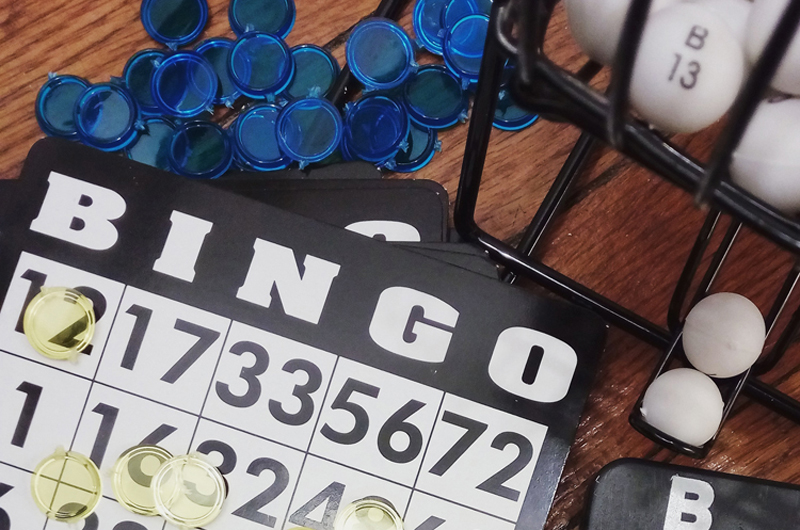
    Bingo is an ideal activity for the English classroom. It can be modified to fit nearly any topic or plan, and serves as one of the most classic ways to get students practicing key English vocabulary and expressions. There are also various ways to use Bingo as an incentive. The simplest would be to allow students to play the game as a reward.

    Another way to use Bingo as an incentive: 

    • Make sure each student gets a Bingo card.
    • Give individual students Bingo markers or chips for doing well in a class.
    • At the end of a week, a month, or another specified time, play Bingo as a class.
    • A student with more pieces to use on a Bingo card has a greater chance of winning.
    • Reward the winning student(s) with a small prize.

    Notes: Versions of Bingo can be found throughout the world. It’s very doable to make your own as well!

    Recommendations:

    • Laminate your Bingo cards to be able to reuse them.
    • Instead of numbers, print words or phrases on the cards.

    4. Reward Charts for Individual Encouragement

    Reward charts work really well for individual affirmation. Students are able to track their own progress, and tend to get very excited about working towards an achievable, visible goal.

    How to use sticker reward charts in the English classroom:

    • Make enough reward charts for each of your students.
    • Hand out stickers to students for good behavior, assistance, answering correctly, and/or volunteering.
    • A student should place the stickers in the available spaces on his or her chart.
    • Once a student has filled a certain amount of spaces with stickers, award them with a prize.

    Notes: You can find numerous sticker chart templates online, or have fun putting one together. Here’s a Greenheart Travel one we’ve created to get you started!

    Recommendations: 

    • Bring loads of stickers with you.
    • For older students, try using a stamp and pad instead of stickers, or simply write your initials in the spaces provided on a reward chart.

    raffle-tickets-teaching-incentive

    5. School-wide “Lucky Draw”

    Schedules vary for Guest English teachers (GETs) abroad. Some GETs focus on one class or a few, others instruct an entire grade or even school. A raffle or “lucky draw” system is an easy way to offer the same incentive to all of your students, especially if you have hundreds, and creates a friendly competition within the student body.

    How to integrate a ‘lucky draw’ system in your school:

    • Every time a student wins in an activity, answers a hard question, or shows up to class on time, for examples, award him or her with a ticket (as seen above).
    • Have students write their names on the backs of tickets.
    • Keep all tickets in one jar so students can enjoy watching it fill up over the course of a semester or even an academic year.
    • The more tickets a student gets, the more chances they have to win.
    • Draw a ticket or two or three at the end of the term, and announce the winning students on a notice board for extra fun!

    Notes: Students of every age really seem to love this activity, particularly high school and adult learners.

    Recommendations: If lugging a roll of raffle tickets doesn’t seem realistic to you (it’s hefty), invent your own ‘lucky draw’ system with pieces of paper!

    korean-candy

    If All Else Fails, There’s Sugar…

    Perhaps the best worst learning incentive is to give students candy as an award. It’s highly recommended to refrain from dishing out sugar freely, often, and especially from the beginning. Students will begin to expect it, demand it, and might even trample you to get it.

    However, candy is a very sweet motivator, when used sparingly. Consider giving out one piece of candy a day or even a week to the most deserving student(s). Make sure to provide “healthier” options as well, or even cheap school supplies such as pencils or erasers as alternatives.

    Having incentives in place starting with your first day of class truly helps motivate students to learn English. Always follow through on your promises, be fair in your systems, and stick to your plan for success.

    What are some other ideas you have for learning incentives? Please share below!

  • Teaching Tips Tuesday: 4 Adaptable Activities for the English Classroom

    Teaching Tips Tuesday: 4 Adaptable Activities for the English Classroom

    It’s no doubt gaining a TEFL certification helps boost confidence before entering a classroom, but it also helps having a little insider insight on effective, adaptable lesson activities for the English classroom – whether you’re just about to get your teaching feet wet, or you’re a seasoned educator.

    Several of us Greenheart Travel staffers have taught English in various countries abroad, and we’ve been there to see lessons go anything other than according to plan. We’ve also experienced moments of complete teaching bliss when all goes better than anticipated, thanks to effective lesson planning. To help you in your own lessons, we’re sharing four activities we’ve found successful that you can adapt to your classroom while teaching overseas.

    4 Adaptable Activities for the English Classroom

    Regardless if you’re in a school without access to technology in the classroom, or you’re just looking for a way to give students a break from always staring at a screen, below is a list of adaptable games and activities that are sure to win your classes over. Each can be tailored and used for all ages and levels, as well as lesson objectives. Get creative and find new ways to make them more suitable for your specific learning environment!

    “Talking Towers”

    child-playing-jenga-in-myanmar

    There are so many ways to incorporate wooden block towers such as Jenga into English lessons. Students young and old love this classic game, especially when it’s done as a friendly competition to see which group can build the tallest tower within a certain amount of time.

    ‘Talking Towers’ work well when students need to produce language learned during a lesson, as an engaging review, or even as a conversational starter. It can be played one-on-one, in small groups, or even as a whole class. Write key vocabulary and/or expressions to practice on the blocks ahead of time, or have students take turns asking or answering questions before removing a block.

    Once your students are familiar with how to play this game, try doing it in reverse order for a fun twist. Remove some blocks ahead of time, and have students put them back in the tower. If a group’s tower falls before the set time limit is up, have them stack it again and start over.

    Suggested Time: 10-15 minutes

    English Skills: Speaking, listening, reading and writing

    Notes: Variations of Jenga are available worldwide, and come in large or small sizes.

    Recommendations: Pack at least one (if not a few) wooden tower sets in your luggage! You won’t be sorry you took up space to do so.

    “English UNO”

    uno-cards

    The card game of UNO is a worldwide favorite. Don’t know how to play this international hit? Here are instructions to get you started. Now adapt the original game to fit your English lesson by developing English speaking and listening ‘challenges’ for each of the UNO symbols.

    Examples:

    • The student who plays the ‘reverse card’ has to ask the student it reverses to a question that relates to whatever topic or expression you’re focusing on.
    • When the ‘+2 card’ is played, the student who lays it down must ask the students to his or her left and right questions.
    • Someone who gets skipped when the ‘skip card’ is used needs to incorporate three new vocabulary words in a sentence or two.

    Suggested Time: 12-15 minutes

    English Skills: Speaking and listening

    Notes: ‘English UNO’ seems best in groups of four to six students, so using multiple decks is suggested. UNO cards can be found in various countries, or try making your own version with flashcards!

    Recommendations: Using a deck of cards such as UNO is also a great way to randomly select students when you’re in need of a volunteer to participate during a lesson.

    “Language Target”

    talking-target-graphic

    A ‘language target’ is perfect for the practice or production portions of a lesson in which students should start using learned “target language” to build on previous knowledge. Draw a big bullseye on a board. Label each section with conversational prompts, key expressions, questions (as seen above), or even vocabulary words. Make sure to include points in each ring of the bullseye as well for added motivation.

    How to Play:

    • Split the class into two teams or several small groups.
    • Have individual students take turns throwing something such as a soft ball, crumpled up piece of paper, or a paper airplane at the target – aiming for certain points for their team(s) alongside what they’re to do or say in English.

    Suggested Time: 10 minutes

    English Skills: Speaking, listening and reading

    Recommendations: Students will likely get a hoot out of being allowed to throw objects during class. Be sure to closely monitor this activity so it doesn’t get out of control.

     “Elbows Up, Hands Down”

    This is ‘hands down’ (pun quite possibly intended) one of the best ways to begin or end a lesson. It works well as a warmer or for a review because it gets the entire class involved at the same time.

    How to Play:

    • Choose one student to come to the front of the room to be the “guesser”. Have him or her close their eyes or turn to face a wall so they can’t see their peers.
    • The rest of the students should put their hands on their laps to pass something like a vocabulary word, a question/answer, or a key phrase on a small piece of paper around the room, under the table.
    • Allow the item to be passed, quickly and quietly, for about 20-30 seconds before having the student at the front shout, “Elbows up!”
    • Make sure all students make fists with their hands before they put their elbows on desks or tables.
    • At this point, the ‘guesser’ should turn around or open his or her eyes before saying, “Hands down.”
    • Every student needs to put his or her fists down before the guessing student can point to who they think has the piece of paper (as seen in the video above).
    • If the guessing student chooses correctly, he or she must practice what’s on the piece of paper. If they don’t guess correctly, the student who’s hiding it gets to practice.

    Video music source: bensound

    Be sure to give several students a chance to be the ‘guesser’, and vary the number of guesses based off how many pieces of paper are being passed at a time. For example: If only one piece of paper is in play, the student guessing could have three chances. If three pieces are being used, perhaps the student at the front should only get one guess.

    Suggested Time: 5-7 minutes

    English Skills: Speaking, listening and reading

    Notes: This activity is a fantastic, productive quieter – when a class gets too noisy to handle. Try playing music or sing a song as the class passes!

    Recommendations: As an extra incentive, pass a piece of candy or a sticker instead of paper. This works particularly well when you’re going over certain questions in class.

    • If the ‘guesser’ chooses the correct hand, he or she needs to ask the student with the object a question.
    • The student who has the object in his or her fist must answer and then give the prize to the ‘guesser’.
    • If the guessing student doesn’t pick correctly, the student who’s hiding something asks a question and the ‘guesser’ answers.
    • The student who has the small prize gets to keep it.

    Do you have any other adaptable lesson plan activities for the English classroom? Please share your tips and tricks below!

  • Why You Should Teach in a Developing Country

    Why You Should Teach in a Developing Country

    When you’re first looking into moving and teaching English abroad, modern and comfortable Western Europe is certainly appealing. It’s culturally familiar to people who grew up in the English-speaking world, and looks from a distance like an easier destination. But it’s important to remember, as you sift through the millions of programs and positions out there, that there’s much more to the world than Europe, and teaching abroad is your chance to experience it.

    Make a Real Impact

    When you work abroad in a developing country, you’ll typically be working with students who don’t have access to the high-quality English education available to kids in Western Europe. Your students in Thailand, Colombia or Vietnam probably won’t have gone to bilingual schools, or have bilingual parents, as is so common in France or Germany. Since many of these countries are have only been focusing on English education for the last decade or so, most of the teachers in these systems came up without it, and therefore don’t speak it fluently or confidently. Your native English skills can actually make a huge impact in your students’ lives.

    Flashcard time with this beautiful little monster
    Flashcard time with this little guy.

    Make a Good Living

    While your teaching salary probably won’t be huge when you convert it to your home currency, it will go far in your host country. The cost of living in developing countries is extremely low compared to what you’re used to. Even while teaching English in major cities like Bangkok and Bogota, you’ll be paying a fraction of the rent you would in Chicago or London. In smaller cities, your rent may be under $100/month. Food is equally cheap. So your salary, usually very generous by local standards, will afford you a great living.

    samui new year
    Plenty of money and free time to live large

    Travel on the Cheap

    Living in Europe is fabulous, and country-hopping is a blast, but with most of your salary going towards sky-high rent and expensive groceries, it’s hard to save the money to take a weekend trip that will set you back several hundred euros. The cost of living in Western Europe is high, which translates to high costs for meals and lodging.

    When you’re working in a developing country, travel is cheap. Transport, meals and lodging are easy to fit into a teacher’s budget, so you’ll be able to see every corner of your host country without spending all your savings.

    Paradise for ten buck a night.
    Relaxing with friends in paradise for ten bucks a night.

    Challenge Yourself While Building A Stellar Resume

    Another big draw of Europe is that the school system is familiar. A Spanish or German classroom is recognizable and relatively comfortable for someone who went to school in a developed country. At first glance, the large size and minimal resources of a classroom in Thailand or Colombia can be scary. And yes, it is definitely a challenge. But that’s exactly what’s so great about this experience. You’ll learn that being a great teacher isn’t about knowing how to utilize the most modern technology, and that the best teachers can put on an effective lesson with 12 kids or with 50. It will make you a stronger educator.

    Outside of the classroom, living in a developing country will make you a stronger person. You’ll learn about what things you actually need, and which things are luxuries that you can easily do without. You’ll learn to appreciate all of incredible perks of life in your home country; when you come home from a year in Myanmar, you’ll never take for granted the comforts and privileges of life back home. And if you are looking to start a career after teaching abroad, your resume will boast some serious credentials and international work experience.

    Think you can handle 300 Thai kids at a weekend English camp? Only one way to find out.
    Think you can handle 300 Thai kids at a weekend English camp? Only one way to find out.

    Ready to get outside your comfort zone? Check out our Teach Abroad programs and start your application!

  • How to Live Overseas

    How to Live Overseas

    You’ve spent your entire life in your home country, and as great as it is, you can’t help but wonder what else is out there in the world. In our increasingly globalized society, exploring foreign lands is easier than ever. You don’t have to just take a vacation–you can immerse yourself in a new culture for weeks, months, or even years.

    Teach English in a School

    Greenheart Travel teacher Lisa Crabbe working with students in Thailand
    Greenheart Travel teacher Lisa Crabbe working with students in Thailand

    Native English speakers have an incredible advantage in the world. If you were born in the US, Canada, South Africa, the British Isles or down under, you learned the world’s most important language without even trying. English is the language of global travel, commerce, and education. With mastery of the English language, people in non-English speaking countries get a huge leg up in the work force. That’s where you come in! You don’t have to be a certified teacher back home, and you don’t have to want to be a career teacher. With your native speaking skills and the proper training, you can make a positive impact on the lives of your students, while earning a living and experiencing life in a foreign country. You can teach abroad for 3 months, a semester, a school year, or 15 months!

    Teach English in a Homestay

    Homestay Teacher Ashley Bornancin (fourth from left) with her whole Italian host family
    Homestay Teacher Ashley Bornancin (fourth from left) with her whole Italian host family

    If you’re not ready to stand in front of a classroom, or you’re looking for an even more immersive experience, teaching in a homestay is a great option. You’ll move in with locals and become a part of their family, learning about their culture, language, and customs. For 15 hours each week, you’ll work with them to improve their English skills, and in exchange, they’ll give you a room in their home and homecooked meals. In your free time, you’ll travel and explore your host country! These programs are shorter-term (1-3 months) and are a great way to try out teaching English!

    Volunteer Abroad

    Program Manager Megan Arzbaecher at the Sri Lanka Elephant Conservation Project
    Program Manager Megan Arzbaecher at the Sri Lanka Elephant Conservation Project

    Teaching not your thing? You still have options to experience a foreign culture and get a taste of life abroad, while contributing to your host community. Whatever cause you’re passionate about, there is a volunteer abroad program for you. Love animals? You could volunteer at a dog rescue project in Thailand, or a bird habitat restoration in France. Interested in community development work? Spend some time working with a community in rural Kenya. Environmentalist? Lend a hand at a sustainable development project in the Peruvian Amazon. All of these programs offer an enriching experience abroad, and will help you develop skills to carry back to your workplace in your home country. You can volunteer for as little as a week or as long as 3 months, and there are year round start dates to suit your schedule.

     Work Abroad

    Greenheart Travel Alumni enjoying the view in New Zealand
    Greenheart Travel Alumni enjoying the view in New Zealand

    Don’t want to teach but looking for some income to fund your travels? Working abroad in Australia and New Zealand offers young people a chance to experience life in a far-away society, without the language barrier of English teaching destinations. You’ll work for up to a year, usually in tourism or bars and restaurants, and travel this beautiful continent as a local, not a tourist.

    It’s a big world, and now’s the time to see it. Contact us to get started on your adventure abroad!

  • Where to Make Money Teaching Abroad

    Where to Make Money Teaching Abroad

    Teaching abroad is a life-changing, transformative experience. It provides the opportunity to travel, learn a foreign language, and immerse yourself in an unfamiliar culture. However, it can often be a break-even sort of deal: you’ll make enough money to cover your living expenses, but not enough to send money back home. Does this mean it’s impossible if you have student loans or are looking to save some money while overseas? Absolutely not! Here are some of the best destinations to experience life overseas while making good money.

    South Korea

    Sightseeing in lovely South Korea!
    Sightseeing in lovely South Korea!

    The English teaching market in South Korea is currently the strongest is the world, and in this stable, wealthy country, foreign English teachers are very well-paid. In the national public school program, your flights are reimbursed, and your furnished housing is paid for, so you monthly salary of $1,600 to $2,200 USD (tax-deferred) is pretty much all gravy. Frugal teachers on this program have managed to save up to $15,000 during the course of their one-year contract. You’ll also get about 30 days of paid vacation time, so you won’t miss out on exploring South Korea!

    China

    Greenheart International VP Daniel Ebert on the Great Wall
    Greenheart International VP Daniel Ebert on the Great Wall

    With a population of over a billion and an ever-increasing presence on the world economic stage, China’s ESL market is exploding. In the Teach English in China program, teachers get flight reimbursements, free housing, and a monthly salary of $1,100-$1,570, plus contract completion bonuses.

    Japan

    Torii gate at the Hakone Shrine
    Torii gate at the Hakone Shrine

    Legendarily beautiful Japan has the wealth to support a thriving and high-paying ESL market. Teachers in both public and private schools are able to save hundreds of dollars a month. However, due to its high popularity as a destination for foreign teachers, it’s one of the most competitive markets in the world. In order to set yourself apart from the crowd, it’s important to have a high-quality TEFL certification.

    Vietnam

    sara vietnam
    Program Manager Sara Dorsey in Ho Chi Minh City

    Still fairly new on the ESL scene, Vietnam is a great destination for people looking for something slightly off the beaten path. In the Teach in Vietnam program, teachers earn $1,000 – $1,500 USD per month, while enjoying a very low cost of living. Placements are in public schools, so in addition to making a great salary, you’ll be opening doors for kids whose parents can’t afford to send them to expensive language schools. It’s a great opportunity to make money while feeling like you’re doing some good in the world.

    Your student loans don’t have to keep you home! Contact us to start your profitable and enriching adventure abroad!

  • Top Ten Travel Photos of the Week: May 31, 2016

    Top Ten Travel Photos of the Week: May 31, 2016

    Our Greenheart Travelers are having some epic adventures abroad. Here are ten of our favorite travel photos from this past week to inspire you to take the leap on your own travel dreams.

    Want to be featured in our weekly post? Don’t forget to include #greenhearttravel to your Instagram pictures for a chance to be featured!

    Check Out Our Travel Pictures of the Week!


    squishyness alert ?

    A photo posted by Romina Polo (@mina.polo) on

    Sunrises like these are worth getting up for ?

    A photo posted by Veronica A. Pichardo (@veronicaapichardo) on

    Such a blessing !! ???

    A photo posted by Ru (@catchruifyoucan) on

    Take me back to paradise

    A photo posted by Veronica A. Pichardo (@veronicaapichardo) on

  • Top Ten Travel Photos of the Week: May 24, 2016

    Top Ten Travel Photos of the Week: May 24, 2016

    Our Greenheart Travelers are having some epic adventures abroad. Here are ten of our favorite travel photos from this past week to inspire you to take the leap on your own travel dreams.

    Want to be featured in our weekly post? Don’t forget to include #greenhearttravel to your Instagram pictures for a chance to be featured!

    Check Out Our Travel Pictures of the Week!


    Dressed up in Hanbok today~traditional Korean clothing. #korealife #jeonju #greenhearttravel

    A photo posted by amanda (@amandainthewrld) on

    Madrid, you have my heart. Para siempre. #greenhearttravel

    A photo posted by Canaan Craig (@canaanjoy) on

    Favourite. #thailand #phuket #greenhearttravel #xploreasia

    A photo posted by Jennalyn Christopherson (@jennalyn.mc) on

    Shut up Gili T. ?? #greenhearttravel #xploreasia

    A photo posted by Danielle MacGregor (@danielle_macgregor) on

  • How to Create an Academic Course Proposal for Your Time Abroad

    By Jill Robinson with Greenheart Travel

    Some of the greatest life lessons I ever received were while traveling abroad. While this isn’t a surprise to anyone that has left the comfort of their homeland to explore new countries, cultures and languages it is still difficult to try and take off from a year of college if you are missing out on financial aid or credit toward your degree. Fortunately, there are ways to receive academic credit while experiencing the adventure of the global classroom.

    To create your own academic course for your time abroad takes motivation, initiative and follow through, but it can be done. It’s best to begin the process as early as possible to ensure that your program overseas will still be counted toward any financial assistance requirements for scholarships, grants and student loans. If you are going through a Greenheart Travel program, below is information on how you can possibly receive college credit for your time abroad.*

    Here is a sample of steps that most universities require in order to create an individual course for academic credit.

    1. First check with your university or college on their specific requirements for good academic standing. Most schools require you to have a minimum GPA of 2.0 (4.0 scale) or higher, as well as completing a required amount of credit hours.
    2. Once requirements are fulfilled, verify that your school will allow for independent course work, and find a faculty sponsor to support your individual study abroad course. Bring all of your information regarding the Greenheart Travel Program you are interested in and be prepared to discuss course-work and expectations that the faculty sponsor will ask of you.
    3. With your faculty sponsor, create a course proposal. This will usually include:
      • Credit Hours you expect to receive.
      • A schedule of what days a week you will be working, and the starting and ending date of the program.
      •  Describe in detail the learning objectives that you hope to accomplish upon completion of your program.
      • Be sure to include all of the assignments that you intend to complete as an academic component. Each project is flexible and students will receive specific responsibilities once in-country. The course-work should be designed to fit with different projects.
      • Include how the program will help you in your future studies/career field, and how your course work will relate to the program.
      • Describe in detail what your expectations are from your program and explain how your program will enhance your current academic program.

    Once your course proposal is complete, send out your final proposal for approval from your university. Once you have been approved by your school, start researching additional scholarships or additional financial aid opportunities that you may be able to use to cover the cost of travel.

    Still have questions on the course proposal process for getting academic credit for your travels abroad? Here are a few quick points to consider:

    What is a course proposal?

    A course proposal is a chance for you as a student to create an academic component to one of our programs to potentially receive academic credit. The proposal should include statements of your goals, your strategies to complete your goals, and methods to evaluate your work during your program. A course proposal may not be required or accepted by all schools.

    What is a Learning Objective?

    A learning objective is what you intend to learn through your volunteer experience.

    What should the course work include?

    The course work should be determined by a faculty sponsor to develop the specific assignments and duties. Each volunteer project is flexible and students will receive specific volunteer duties once in-country. The course-work should be designed to fit with different volunteer projects.

    In order to receive credit for an independent study abroad course you may have to visit your universities’ offices of education (i.e. study abroad, experiential, or service learning offices) for more information on individual course work and academic credit requirements.

    Does Greenheart Travel offer academic credit?

    Greenheart Travel does not offer academic credit for programs. The students must contact their own university and college to see if an individual course can be created for academic credit. Academic requirements are designated by the universities and schools.

    Why should I consider receiving credit for my Greenheart Travel program?

    An academic service-learning experience will provide a unique learning opportunity and allow you to experience the world around you. It can help you see the value of your past and current course work and how it applies to various aspects of life. It will also give you an edge in the future job market as it is a documented volunteer and learning experience.

    What are the benefits of service learning/volunteering?

    Traveling abroad and experiencing new cultures and countries enhances a student’s understanding of current academic studies, as well as an increased awareness of the world, of one’s own values, and an increased engagement in global affairs.

    Will Greenheart Travel work with my university and faculty supervisor to create an academic service learning course?

    We are more than willing to send you all the information you need in order to complete a course proposal for your university, as well as answer any questions your faculty supervisor, adviser or university may have. For more information please contact Anna Kacyn at akacyn@greenhearttravel.org.

    What if my school won’t let me earn credit for an individual abroad course? Is there a way I can still receive financial aid?

    Some universities have different policies on their course requirements. If your school cannot offer credit for an individual created course there are other options for financial aid opportunities. Please see our fundraising page or are scholarship page for more information.


    *Greenheart Travel does not offer academic credit through our programs. We cannot guarantee that all universities and colleges will accept a course proposal for an individual study abroad/service learning course.