Category: Teach Abroad Programs

  • 6 Things You NEED to Know Before Teaching English Abroad

    6 Things You NEED to Know Before Teaching English Abroad

    For those who want to make money while traveling, teaching English abroad is very appealing. In most cases, you don’t need to have professional teaching experience to be hired at a public or private school abroad.

    But if you’ew teaching just so you can live in another country, that doesn’t mean you can wing it. Teaching is work, hence why it’s a job. You may find that it’s something you’re really passionate about, or maybe it’s not really a long term career for you (and that’s okay too).

    Here are some tips for new English teachers:

    Patience is truly a virtue.

    Your patience is going to be tested over and over and over again. Learning a new language is challenging, especially English where the same word can have totally different meanings. Vocabulary and grammar that are first nature to you are going to be hard for your students to grasp, so try not to get frustrated.

    Not only that, but you’re going to have to learn how to handle an unruly class, and how to respond to a disrespectful comment. Chaos is part of the territory.

    Students can sense your energy.

    There will definitely be days when you don’t want to teach, but your students shouldn’t know that. Like many jobs, you need to leave your negative energy at the door and have a positive attitude while working. If you act like you don’t want to be there, your students will pick up on it and feel the same.

    Knowing the subject really well does not mean you’re a great teacher.

    Remember that teaching is hard work. There’s a reason why people go to college for it! Knowing English is just the first part, but being able to break down the language and explain it clearly is harder than it seems.

    That’s why it is always good to have a TESOL/TEFL certification. Not only will you be able to brush up on your English skills, but you will be taught how to teach them to someone else.

    There are plenty of resources available that can help you create a curriculum for your students. If you’re feeling overwhelmed, look online for games and guides to give you ideas. Pay attention to your student’s interests and incorporate them into lessons to make teaching personal and interactive.

    Do not be offended if your students don’t automatically love you.

    When you imagine teaching abroad, do you imagine your students running to greet you as soon as you arrive? Giving you gifts and fighting for your attention? Selfies with smiling children? Well, you’re going to need to dial back your teaching fantasy before you get disappointed.

    Depending on the school you’re placed in, your students might be used to having foreign teachers. They will probably have questions about where you’re from, but don’t expect to be adored right away. You need to build trust and relationships with your students, which will take time. Just your presence isn’t enough, the same as it would be teaching in your home country.

    It isn’t a popularity contest

    You’re not here to make friends, you’re here to win. Just kidding, but seriously, don’t try to be the ‘cool teacher.’ It’s great that you love your students, but you are their teacher, not a friend or family member. As a teacher, you need to make sure you’re acting professionally, which sometimes makes you the bad guy. There will be a point when you have to stop your students from talking or give someone a low grade.

    You might be surprised by how much you love it.

    For a lot of international teachers, the job begins as a means of traveling. However, by the time their contracts are up, many teachers choose to stay and teach longer because of how much they love their school and students.

  • 5 Alternatives to Studying Abroad if You Didn’t in College

    5 Alternatives to Studying Abroad if You Didn’t in College

    You often hear about how studying abroad in college changed someone’s life, or how it was their favorite experience during their four years. Sometimes it seems like everyone around you was able to study in another country, but in reality, only 10% of students in the United States go study abroad during their time in university. It can be cost prohibitive and difficult to find time in your class schedule to take a full semester away from required courses, and it may feel like you’ve missed out on a unique experience. However, the opportunity to live overseas does not end after graduation! There are a number of ways to have just as an immersive experience in a new country – if not more! – as a study abroad program. Whether you want to live with a local family, find a new town to call home, or brush up on your language skills, consider having your “abroad” experience outside the cost and time constraints of a university!

    Become a Digital Nomad

    Working remote gives people a new kind flexibility with where and when they work – but have you ever considered how flexible you can be? Becoming a digital nomad allows you to continue your remote job while moving to a new country! For most programs, you are provided a coworking space with other digital nomads, WiFi, and other office necessities. If you’ve ever wanted to take your laptop across the world with you, but weren’t sure where to start, consider a digital nomad program.

    Maddie Erikson being welcomed by her host family while teaching English in a homestay in Italy

    Live in a Homestay

    Is your desire to travel driven by your curiosity of local cultural and language? Living with local host family is a great way to call a new town your home and practice a new language! Our Teach in a Homestay program allows you to live in a different country while tutoring your host family in English for a few hours a day. These opportunities really allow you to make meaningful connections and share in local everyday life by getting to know your family through casual, conversational English lessons and practicing the local language.

    Get TEFL Certified Abroad

    If the “study” aspect of “study abroad” really appealed to you, there are still ways to learn new skills in a classroom setting while living abroad. Many TEFL (Teaching English as a Foreign Language) certification courses are offered abroad and may cover accommodation during the duration of the class. This certification is a requirement for most teaching positions abroad and is a great way to open the door to endless paid work abroad! Depending on the country you take the course, there may be positions available as soon as you complete your certification.

    Teach English Abroad

    Have you ever thought about living abroad for an extended amount of time? Or possibly making money while experiencing a new country? Teaching English abroad is a great way to accomplish both of these! There are countless positions around the world looking for English speakers to teach in local schools. Most of the jobs do not require a degree in education and are open to degree holders of any subject. That makes it easy for many to people to immerse themselves in a new culture while securing a full-time job!

    Work Abroad

    If you are looking for a more independent experience abroad and teaching doesn’t appeal to you, there are always seasonal jobs and internships available in different countries! These opportunities typically provide you the flexibility to travel and experience your new surroundings while making a sustainable salary. Many of the positions open are fun, entry-level such as working in local bars, hostels, or hotels where you’ll meet other travelers!

  • 7 Things No One Tells You About Teaching Abroad

    7 Things No One Tells You About Teaching Abroad

    Teaching abroad can be one of the best decisions you can make, and you learn so much important stuff about yourself and about the world. But! It’s important to be realistic about what your life will be like as a teacher in another country. Make sure you’re properly prepared for the experience and have the capacity to make a positive impact wherever you end up! Here are some things that no one tells you about teaching English abroad.

    You’ll spend most of your time teaching

    This one seems like a, “well duh!” but honestly, in all the daydreaming that happens about what life abroad will be like, people forget. Of course, you will have amazing experiences, meet new friends, and travel as much as you can, but the reality is that the vast majority of your time abroad will be standing in front of a classroom. That, or sitting at your desk preparing for your next classes. Or doing something relaxing after school because teaching can take it out of you some days. I don’t mean this in a negative way at all, but generally the 8 hours/day of being at school doesn’t make it into everyone’s daydreaming. Although it doesn’t sound great on paper, there are so many positives to spending all those hours at schools. You’ll make friends with your local co-teachers, you’ll actually get to know your students and you’ll learn to be a much more patient and organized person.

    After a while, every day will be just any other day

    Despite all the wAnDerLuSt you’ll see on Instagram in the destination you plan to teach, that’s not what the average day looks like.  Once you get settled into your new apartment and job, you’ll start to establish a routine that you’ll follow in the same way you follow your routine at home now. You’ll pop in your headphones in the morning and commute to work without thinking about it, you’ll teach the same classes at the same times, you’ll have your favorite dinner spots to stop at after school, and you’ll binge the same shows on Netflix you watch every night before bed. Some days you might even be a little *GASP* bored. But that’s okay! Life can’t be exciting at all times – that would be exhausting.

    It’ll hit you every once in a while, especially at first, and you’ll be in awe for a split second thinking, “Whoa! This is my life! It’s, like, my life at home except I’m in Thailand/Italy/Colombia. Hm weird. Okay time for class.” But honestly, it’s one of the best things about living abroad. In those moments, you realize that you have the grit and tenacity to be successful, even in a new place, even with a new job and likely with a previously unknown language.

    Good intentions don’t automatically mean good results

    Despite your best intentions, you can still negatively affect your host community, colleagues and or students if you’re not conscious of the role you play in their lives. Oftentimes within the teaching abroad world, a lot of people go into the experience incredibly naïve about the job. It’s such a common path for people to take, after college or as a career break, that it’s easy to fall into thinking, “Teaching can’t be that hard if everyone is doing it!” Teaching may come easy to some people, but for most, it takes time and practice to become a good teacher and if you go into a job unprepared, that’s a disservice to the students and the local teachers who work with you.

    Get quality training for the job you’ll be doing, educate yourself on the culture as much as possible, and give yourself the room to adjust to your new environment (i.e. don’t travel every weekend). Culture shock is real, and you need more downtime in the beginning while you’re adjusting to your new surroundings. You don’t want to be that teacher who comes to class every day mentally/physically exhausted and cranky.

    Understand that it’s totally fine to have personal reasons for wanting to move abroad, but you need to keep your host community in mind too and how you can best serve them. If that seems like too big of a responsibility, reconsider going on an extended holiday instead and circle back to teaching abroad at a future time.

    Your own English will get worse

    A common problem that many English-speaking teachers don’t realize before they start teaching, is that they talk very quickly. For teachers working with young or beginner-level students, slowing waayyyyy down is necessary to increase student’s comprehension of your lessons.  You’ll also discover the survival tactic of matching the level of English of the person you’re talking to, adding in as many words in the local language as you can and using lots of miming and pointing. It’s a tiring way to communicate, but it usually makes for some laughs and it’s a great way to learn new vocabulary! After a while, that’s just how you’ll talk, all the time – slower and shorter sentences. You and your foreigner friends will also start to speak in an English-hybrid language, sticking in random local words to everyday conversations, which further adds to your new way of communicating. It definitely becomes a funny habit to break when you return to your home country!


    Your students are likely learning in a very different environment than you did, and you need to learn about them

    This varies from country to country, and even from school to school. In most Western schools, falling asleep in class is a generally not allowed and if a teacher catches you taking a snooze, there’s usually some consequence. Although kids will be kids no matter where you are in the world, there may be a legitimate reason a student is sleeping in your class. In places like Thailand, your students may be getting up very early in the morning to help with the family business, whether that’s a restaurant, farm or store, and may have worked late the night before as well. In places like Korea, it’s not uncommon for students to attend public school all day, private school at night, with some private tutoring in between and homework for all three at the end. Sometimes, the foreigner’s English class is the time to get some rest, and that shouldn’t be punished. When you start teaching, make an effort to learn about your students. You can do this inside and outside the classroom: create lessons on interests and hobbies, make yourself available in between classes, or join extracurricular activities.

    Teaching may not be the best fit for you, but that’s totally okay!

    Teaching is not an easy job and it’s not for everyone. Some people thrive as teachers and spend years abroad doing it; some even return home to pursue a graduate degree in education and change the whole course of their career. However, others find that the role as a teacher doesn’t play to their strengths and they don’t enjoy the job as much as they had anticipated. If you find yourself halfway into your contract and not loving the profession, don’t beat yourself up over it. The best thing you can do is commit yourself to your students and finish your contract, be the best teacher you can be for that time and move on to another field when you’re finished. Anyone who has taught abroad has met at least one teacher who doesn’t necessarily like teaching but wants to stay abroad, so they continue teaching as a means to an end, AKA a paycheck and a visa.  They usually aren’t super committed to their jobs or improving themselves to be a better teacher, and their students are the ones who are affected the most.

    It’s not up to you to make changes in how things are done

    As a foreigner in a different country, you’re going to learn quickly that most things are done very differently than you’re used to, whether that’s how people line up to get on the train, how an office is organized, how to deal with conflict or how you’re supposed to manage your classrooms.  At some point, you may find yourself thinking, “Wow, this would be way more efficient if we did x,y, or z instead.” Whether or not your solution is right, it’s not up to you to make any changes, especially if you’re only there for a short time. Think about if your job hired one new employee from another country who came in hot trying to correct the way you and your coworkers had done things for years? You probably wouldn’t like them too much.

    There’s a variety of reasons to go with the flow in this matter, but there are two main ones. Cultural nuances you may not yet recognize are at play, and a foreigner stepping on those nuances may offend some of your coworkers. The other reason is that you’re likely going through culture shock, which means you’re hyper aware of everything that is different, and you may not realize that you’re just reaching for something to control. This always serves as a lesson in patience and cooperation as you’ll learn to adapt – a very useful skill that will follow you after you leave.

  • How I Escaped the Graduation “Job Scramble” by Teaching English Abroad

    How I Escaped the Graduation “Job Scramble” by Teaching English Abroad

    At the beginning of my senior year at the University of Wisconsin, I joined all of my fellow students and friends in the “here comes the real world scramble”. Looking for jobs and trying to figure out what to do after graduation became a stressful conversation that came up often, but was always quickly shunned away with a “let’s not talk about this right now…” or “I don’t even want to think about it…”. The newspaper was full of stories about unemployment and all of us knew it was going to be a struggle finding a job I felt passionate about.

    My search began when most of my friends were applying to law school, studying for the GRE, or interviewing at companies in New York or Chicago. I had no hesitations in knowing I wanted to Teach English abroad instead. Now was the time to go and nothing was holding me back. But where would I go?

    I can point to my study abroad experience my junior year as a major turning point in my life. I studied abroad on a program called Semester at Sea, allowing me to visit 13 vastly different countries around the world. A “buffet” of some of the cultures of the world, you could say. I had no interest in going to Asia before I got there – I always envisioned traveling as going somewhere like Paris or Rome – but the second I stepped onto the Asian continent I was mesmerized. I had to come back. I had to live here.

    After some research, I finally found the program I was looking for – teaching English in South Korea.

    I had never been to Korea and I didn’t know very much about it but that was a huge part of why I wanted to go.

    One of my goals was to be completely independent of my parents and set out into the real world completely on my own. Korea would let me do this. Even my friends with hefty student loans managed to support themselves and even go on vacation with me to Thailand over our winter vacation for two weeks.

    The application process was complicated, but South Korea wants to make sure the people they’re hiring actually want to come and are willing to put in a little work. It was worth it. The year I spent in Korea was easily the best and most rewarding year of my life. Of course, it was terrifying and challenging at times, but that’s what makes you grow and change into a stronger and smarter person. It’s also shaped my life and who I am back here in the USA. I have a job here at Greenheart Travel where I get to encourage people to go and do the same thing I did – leave the graduation job scramble behind and go see the world instead. You won’t regret it.

    Sara Thacker is Greenheart Travel’s Associate Director of Marketing. She is an avid traveler and misses the days where she ate kimchi every day while living in Seoul, Korea!

  • Expectations vs Realities of Thailand: How it Feels to Come Home After Living Abroad

    Expectations vs Realities of Thailand: How it Feels to Come Home After Living Abroad

    Looking back at some of my writing from last February, I see a lot of “want” and “wish” for the future of my Thailand adventure. I wrote about fear and the little pieces of expectations I had, both good and bad, for every single step I had tried to plan out on the way there. But if one thing is true, planning takes the back seat when it comes to adventure. Expectations are upended and the clicking of your airplane seat-belt sends you into a world of unpredicted, unanticipated, sometimes serendipitous moments. It is the call to change.

    This last blog post has been the hardest one to write. There has been a lot of coming and going in the last month – an overly packed suitcase, a flight to China, a drive to Fayetteville, another flight to America, and the goodbye to a life I created in the cracks of Bangkok’s brick and mortar.

    There, I was different. I was free. It was a different kind of free from here – a free where no one recognizes you in the streets or worries where you are. A free where you can disappear on a Monday into a labyrinth of canals and drink beer and watch the quiet, relaxed way a Thai neighborhood moves into the week without you. Soft songs about sweethearts drift on the same air as the buttered toast you ordered, and Thai kids splash with the catfish in the river beneath your bare toes. It is a liberty that comes obligingly and good-natured with little to ask of in return.

    Children playing in Chao Phraya river

    Before I left, I had dinner with a friend. And as I sat on the familiar pier looking off into the water of Chao Phraya, I wondered aloud what it might be like on the other side of the world right then. She told me it was best not think those kinds of things. “Because when you go home, all of this,” she said motioning her hands to the skyline beyond us, “will feel like a dream. You will wake up in your bed in Little Rock, and in the throes of jet lag, you will confuse this experience with the longest sleep of your life.”

    So, I went home, scared to forget Thailand as quickly as you do upon waking from a wild dream and began to write it down. I didn’t want to forget my room with the bucket car seats strapped in front or washing my feet before bed. I didn’t want to forget that I only took cold showers, but it felt good because my room was an attic in the middle of July. I can still hear the honking of fruit carts tottering down the soi and see the cats that heralded the streets and owned the houses, hanging on concrete or perched on motorbike; the image of my kids running down the hallway, arms outstretched to grab me burned into my brain. Every day there was one in which I was forced to hold up a mirror to my soul and look for a long time. Everything I experienced was through me, and even in the pits of loneliness, I knew that it only took a matter of redirection to feel, taste, see something else.

    My first day teaching in Thailand

    Then, poof. I was back home no longer being woken up by the clinging pots of a restaurant’s washbin next door. It wasn’t hot, and there was no motorbike waiting to pick me up for school. Instead, now, I am back in my childhood city for the first time in five years. A lot has changed: people have moved, buildings have been bulldozed, and streets seem to have potholes that weren’t there before. It’s like living in a strange twilight hour where everything looks the same, but somehow, they are vastly different from what they were before. Even in a short six months, friends have become more distant as they forge on in their path of transitions. They become engaged, buy houses, and settle into lucrative jobs while I feel like I am left trying to straddle remnants of college with the new, disorienting undercarriage of adulthood beneath me.

    In my writing, I keep mentioning a glass wall that exists between me and them. Where their muted responses can barely be heard through the nonporous enclosure, and my bored face can be seen with complete clarity. Glass is funny like that. It’s visual transparency unparalleled while all the sounds and feelings get stuck to its surface like dust.

    A moment before the sun goes out over my home on Charoen Krung 57

    If I told you that I loved Bangkok and wanted to spend the rest of my life there, I would be lying to you. But just because I did not want to live in its vast chaos, does not mean that Bangkok is insurmountable. I know it for its warm, homemade noodle balls and the days spent tackling the sky train rush hour equally. It was one of the greatest teachers I’ve ever had, but there are more Bangkoks, better Bangkoks, hidden Bangkoks waiting for me to disappear in again. I know that the second I hear the airplane seat-belt click into place, I will feel the world of the unknown yet again beckoning me to forget the dust and fly.

    Georgia Gazette, from Arkansas, is a Greenheart Travel First Time Traveler Scholarship recipient

  • 3 Steps to Fundraising for Your Travel Adventure

    3 Steps to Fundraising for Your Travel Adventure

    So you want to embark on the travel experience of a lifetime, but don’t have a stockpile of cash lying around? No worries! We will give you tips and tools to mobilize your personal network and help make your overseas adventure a reality. 

    While daydreaming about your travel destination is a helpful motivator, to really achieve your travel goals requires a plan. Below is an outline of how to get started in your fundraising efforts. 

    Step 1: Setting Your Fundraising Goal and Plan

    The first step to starting your fundraising journey is setting a fundraising goal. This goal is determined by how much money you will need to fundraise in order to make your trip a reality. Before establishing your goal, you will need to begin by assessing the amount of funding you personally can contribute to your program. Once you know the cost of the program and your personal contribution, you can calculate your fundraising goal. Don’t forget to consider the price of a flight and any additional costs like food to make sure you are financially secure during our time abroad.

    ICost of Greenheart Travel Program + Additional Expenses )- Funding You Already Have = Fundraising Goal

    After you have established your fundraising goal it is time to create a timeline of when you will need your travel funds. Work backwards on a timeline to achieve your fundraising goals that meet your ideal departure date.

    Consider Supportive Communities in Your Network

    With your timeline and goal in mind, you can start to assess what communities you can reach out to for support. It is important to remember that fundraising takes time and you will likely need to reach out to various groups at different times to meet the full fundraising amount.

    A few questions you can use to discover what networks you belong to outside of friends and family are:

    • Do you attend a school that will allow you to fundraise for personal needs?
    • Are you part of a sports team or extracurricular group?
    • Are you part of a religious community?
    • Do your parents have friends or colleagues who are interested in supporting you?

    Write down the groups of people you can reach out and the contact information for individuals within those groups. Start thinking about the best time to host an event, or speak to these communities. 

    Step 2: Making the Most of Local Resources

    Now that you have outlined your fundraising goal, timeline, and supportive communities, it is time to start determining how you will raise the money needed for your travels. There are two main ways for you to have your networks support you in meeting your fundraising goal: direct solicitation and events.

    Asking your communities for financial support can seem daunting, but by using the tips below it can be both a great learning experience and an opportunity to share your story and possibly inspire future travelers to meet their personal goals as well. 

    First Approach: Straight Up Asking For Financial Support

    This fundraising approach is often called direct solicitation, and requires reaching out to people who are part of your community via email, letter, recorded video, phone call, or face-to-face interactions and asking them directly to make a donation. This approach might be more nerve-wracking than an event, and is best used for individuals that you feel especially connected to such as family members and friends.

    In your individual appeal letter or conversation you will need to including the following information:

    • A little bit about yourself and why you are reaching out to this person
    • What travel program you have chosen and why you think it is impactful on your future
    • Your fundraising goal (be specific! If you need $2,000 by August say it!)
    • How the funds will be used
    • A direct ask of them to contribute to your goal
    • How they can donate to you (cash, check, GoFundMe website)
    • A thank you to them for being part of your community and supporting you through your life journey

    You can use this sample letter to tailor your own direct solicitation.

    Second Approach: Hosting a Fundraising Event

    Having a fundraising event is a fun way to raise money for your Greenheart Travel program abroad. Generally, these events are informal, provide some service or good in exchange for a donation, and can involve many community members at the same time.

    A few ways to easily mobilize your community are through the following events:

    • Car Wash
    • Bake Sale
    • Yard Sale
    • Community fundraising at a restaurant
    • Create a community cookbook and sell it
    • Host a field day or game night and charge a fee for people to participate

    Consider thinking about what events your community would be most likely to get involved in. In addition, it is important to think about your overall goal when choosing which event to have.

    For instance, if you need to raise $4,000 but are having a bake sale with 50 items at $2.00 a piece, plus additional donations, you are likely to make only $300.00. It is also important to consider the costs of hosting these events. A yard sale would require your family and friends giving up items to be sold for your cause, a car wash requires time from people willing to help you wash the cars, and a bake sale requires money to buy the baking materials.

    An event doesn’t necessarily have to be in a physical location. If you have a large network spread out across the country, it might also be helpful to create an online fundraising campaign that you promote through word of mouth and social media.

    The following platforms make raising money via a social media campaign easy, but be aware of the fees they charge:

    The best approach to raising your funds will likely be a combination of direct solicitation, events and online outreach. Consider directly reaching out to those in your life who you know are willing to donate and have a close relationship with you, while using the events to engage the broader community in your network.

    Appreciate Various Forms of Support

    Keep in mind that there are many reasons people might not donate to your cause, and don’t take it personally or negatively. If someone isn’t able to support your fundraising efforts financially, perhaps they can help spread the word about your online campaign or event. 

    Sometimes, it is a matter of following up, especially with online fundraising. With so many emails and social media feeds that compete for our attention, a friendly reminder or check-in might be all that is needed to start seeing your fundraising efforts succeed. No matter what, always thank your community for their support of your journey, regardless of if they can provide money to finance it.

    Part 3: How to Thank Your Supporters

    It is very important that you thank everyone who gave money to provide you with the experience of a lifetime! In addition to saying “thank you” immediately to anyone who made a contribution to your program, it is a good idea to follow up with an additional thank you once you return from your travels as well.

    Here are some creative ways to show your community you appreciate their support:

    • Send a postcard or an e-card with a personalized message and photo from your travels
    • Make a video while on your program and include a thank you at the end of it to those who donated
    • Give a social media shout out to those who impacted your trip
    • Post a group picture of fundraising events and tag those who attended
    • Take a photo series while abroad with a “Thank You” sign and make a gratitude collage

    In an age where everything seems to be online, never underestimate the power of a hand-written thank you note. While photos, videos and travel montages are exciting, being able to say a personal and genuine “thanks” to show your appreciation is priceless.

    Get Organized in How You Will Say “Thanks” Before You Leave

    Plan ahead for your thank you ideas so you can be sure to get the footage or photos you need while abroad. However you choose to show gratitude, remember the impact that this experience had on you and the generous friends and family that used their time and resources to make it a reality.

    Alongside personal thank you notes and gratitude collages, it is also worth considering giving a presentation once you return. By sharing what you have learned about a culture, language and yourself, you can inspire and educate your community. You can also use this opportunity to say thank you to groups or local organizations that helped you fundraise or your travels.

    Showing gratitude for all the support you’ve had in reaching your goal is important, but don’t forget to give yourself a high-five as well. You are on your way to a life-changing travel adventure through your hard work and fundraising efforts!

  • 6 Ways You Can Travel Before Grad School Next Fall

    6 Ways You Can Travel Before Grad School Next Fall

    It’s becoming increasingly popular to use travel not only as a means for personal growth, but also as a way to show off adaptability, cultural understanding and open-mindedness on a resume or college application; qualities that will set you apart from other applicants.

    Taking a gap year, however, doesn’t always fit into everyone’s timelines and for some, the thought of signing a year-long contract can be a major roadblock.

    Whether you need to be back home by the fall or  you’re graduating this winter and are looking for an opportunity to live abroad, Greenheart Travel has many short-contract programs to choose from.

    Teach English in Thailand over the Summer

    Contract length: 7 weeks
    Start Dates: June 10, July 1
    Deadline to apply: February 15, 2019

    Qualified teachers can Teach in Thailand during our Summer break for 7 weeks! You’ll be provided an arrival orientation, placement at a school  and a salary of THB 35,000 – 40,000 for the duration of your program. This is the perfect option to go abroad before grad school without breaking the bank!

    Teach English in Myanmar

    Contract length: 3 and 6 months
    Start Dates: January 28, March 25
    Deadline to apply: November 28, 2018

    Myanmar is quickly gaining popularity with tourists but it’s still a unique destination for westerners. Most teachers get placed in the largest city of the country, Yangon, where there are an abundance of markets and neighborhoods to explore as well as other expats to connect with!

    Be a Marketing Intern in Thailand

    Contract length: 3 months
    Start Dates: Every month
    Deadline to apply: 2 months prior to departure

    Teaching may not be in your career path so interning abroad is an alternative way to gain international work experience! You’ll be able to bring newfound skills in marketing, NGO management and international relations to your classroom in the fall!

    Get TEFL Certified in Argentina, Costa Rica, or Spain!

    Course duration: 1 month
    Start Dates: Every month
    Deadline to apply: 2 months prior to departure

    Getting TEFL certified abroad is a productive way to spend a month abroad while gaining a new skill! All courses offer job placement assistance where you can find short-term positions to fill your time before you need to head back home!

    Teach English in Italy

    Contract length: 3 months
    Next start date: January 8th, 2019
    Deadline to apply: November 21st

    Girls in Venice

    For under $400 a month, you can experience Italian culture by volunteer teaching at a local public school in the Piedmont region while living with an Italian host family. Your accommodation with the family and 2-3 delicious meals a day will be provided so you concentrate on taking in all the sights and smells that Italy has to offer you.

    Teach in a Homestay (Choose from 8 countries!)

    Contract length: 1, 2 or 3 months
    Next start date: As soon as 8-12 weeks from time of application

    Teaching in a Homestay means you live with a host family, and in exchange for a room and 3 meals a day, you provide the family with 15 hours of English lessons each week. This program not only allows you access to a different language and culture, it’s also one of our most flexible programs. You can choose to go for 1, 2 or 3 months in Argentina, Chile, Brazil, China, France, Italy, Spain or Thailand! Read about one of our recent teacher’s experience in Basque Country, Spain!

    Hurricane Relief in Puerto Rico

    Contract length: 1-12 weeks or our new 4-day weekend option
    Start Dates: Every Monday of the year! Or, any Friday-Monday for a long weekend
    Deadline to apply: At least 2 weeks prior to your start date

    This program gives volunteers the opportunity to help rebuild after Hurricane Maria devastated the island, while also providing insight into and experience with environmental conservation and the importance of sustainable development. This theme carries over into your included accommodations which are equipped with solar-powered internet connection, environmentally sound septic system and gravity-fed water pumps. In order to apply, you must be independent, physically fit, open-minded, willing to immerse yourself in and learn about another culture and be flexible; all traits that you can also highlight on your resume when you return from this amazing opportunity!

    Work & Travel in Australia, New Zealand, or Ireland

    Contract length: 6-12 months
    Next start date: As soon as 8 weeks from time of application

    nz

    This is the quintessential “gap year” program, except you can choose to do it for 6 months. You will work in either New Zealand, Ireland or Australia, with the option to move around the country, try different jobs and meet other backpackers! Jobs are usually in pubs, on farms, at amusement parks and in factories so the focus of this program is less on your job, and more about experiencing another culture and funding your travels.

    Want to talk more about how you can travel abroad on these programs? Don’t hesitate to contact us and we can answer your questions!


    Where are you hoping to travel before grad school? Share your comments below!

  • How to Respond When People Say It’s Too Dangerous to Travel Abroad

    How to Respond When People Say It’s Too Dangerous to Travel Abroad

    Deciding to live and work abroad can be life-changing, and sometimes scary, but the excitement of an adventure usually outweighs the fear of the unknowns of life in a new country. For your family and friends, though, your decision to travel abroad can leave them confused and concerned, fretting over all the possible things that could go wrong. Despite their best intentions, this response can often deflate your confidence and make you question if you really are making the right decision.

    When I decided to move to South Korea to teach English, I encountered many naysayers. I was constantly asked about the safety in Korea, why I wanted to put my life at risk, and how I planned to handle the looming threat of North Korea.

    No matter where you decide to move abroad, there will be people who find your decision crazy or dangerous. Maybe you even think you’re a little crazy. But that’s okay. Here are some ways to respond to any concerns your family and friends might have about your decision to move abroad. 

    There is a bit of danger no matter where you are in the world.

    No place is immune to a possibility of conflict and danger. Even in our own home countries and cities, we can be bombarded by horrific hurricanes and unexpected horrors. Think of how many people consistently visit New York City despite 9/11, because it is a city worth visiting. Just because a country has scary stuff in their past doesn’t mean it isn’t worth traveling to in the future. The unfortunate truth is that there is no place in the world that is 100% safe.

    Regardless of where you are in the world, there will always be unforeseen circumstances. It is, of course, natural to feel safer in your familiar home even though we know it is not void of danger. It’s always important to remember this – just because the world can sometimes be a scary place does not mean it isn’t also a beautiful one that’s worth exploring!

    Bad news sells better than good news.

    We live in the age of media. Any and everything that happens is broadcasted – we hear and read about terrorist attacks, bomb threats, and natural disasters daily. It would be impossible not to be affected by this. But statistically, you are no more likely to be caught up in these events just because you leave the country.

    While living in South Korea, I rarely heard media coverage discussing North Korea as a threat. But in America, North Korea is what comes to mind immediately after mentioning moving to South Korea. Despite the two countries having little to no interaction, the media has painted a very violent relationship between the two.

    Media outlets focus on the negative and tragic because it draws an audience, but that doesn’t mean an entire country should be represented by one incident, or that “over there” is a scarier and more dangerous place than our current home. It is every travelers’ responsibility to do their research and have a clear understanding of the potential risks of where they will be living and working, without overgeneralizing an entire country (or even city) based on stereotypes or a few news stories.

    Life doesn’t stop because you are afraid.

    Tragedies happen. Natural disasters tear apart towns. Terrorists attack cities. These are all things that could happen anywhere at any given time. Life does not stop or slow down when something awful does happen. The best we can do is live our lives to the fullest despite these things.

    There are too many amazing people to meet, delicious foods to try, and sights to enjoy to let fear keep you from traveling.

    Preparing for a feast in South Korea.

    No matter where you have chosen to live or travel abroad, there will be people who do not understand. You will have to learn to deflect this negativity and embrace your decision. Traveling isn’t something that should be feared, but something we should all encourage and applaud. Be proud of your decision and excited for your adventure!

    Ready to live abroad and looking for a supportive community?!

    Let’s chat about your travel opportunities!

  • 5 Ways to Meet New People and Make Lifelong Friends Abroad

    5 Ways to Meet New People and Make Lifelong Friends Abroad

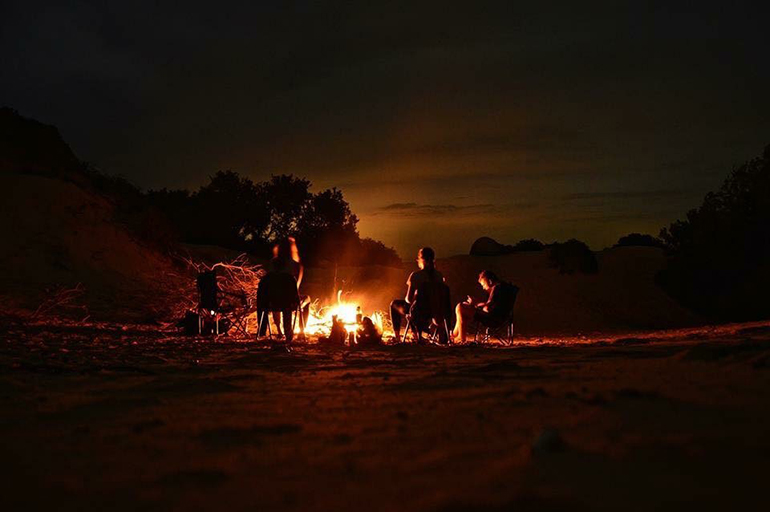
    Feature Image: Allison and her friends hang out around a fire in Australia. Photo by Ryan Hubbard.

    On my early morning walks in Buenos Aires, I loved watching the rising sun crawl over buildings. While working in Melbourne, I watched for ever-changing graffiti. Every day in Spain, I looked forward to my mid-morning snack of café con leche and chorizo sandwich.

    These are pieces of my life abroad I wish I could still experience. But beyond missing my new routines, what I miss the most are the human connections I made in those places. There’s nothing like a good laugh over a cup of coffee, or learning about a country’s troubled past through a local’s explanation of a mural that give simple things – like a latte or street art – more meaning.

    From chatting with local classmates to making friends through shared interests, meeting locals during your Greenheart Travel program can help you learn the language, culture and history of the country. (Plus, making friends is a lot of fun.)

    Couchsurfing
    Allison with friends she met through Couchsurfing.

    If it weren’t for locals, I wouldn’t have learned what Australians mean when they say esky, why Argentines walk around sipping tea from a gourd (mate!) or the reason why people say molt be instead of muy bien in some parts of Spain.

    So, how do you make connections when you’re in a new country and speaking a new language? At first, putting yourself out there might seem challenging. But, taking the initiative to make local connections has the potential to make any program – whether it’s a few weeks or a few months – more memorable.

    Here are a few of our favorite ways to meet people abroad:

    Language Exchanges

    Language exchanges are a great way to meet locals while improving your skills and helping them hone theirs! A language exchange is an event where language learners typically spend half the allotted time in one language and the other in another. Sounds perfect, right?

    Check social media sites like Facebook or ask your host family if they know of one near you. Linda Correll, a teach in Colombia alum, says she went twice a week to an exchange in her area called “Let’s Talk Pereira”. This event had an informal, conversational atmosphere and “ended up being a large part of my social life during my two years there,” she says.

    Even if you can’t find a language exchange in your area, try asking a coworker or neighbor for language help. For example, Kirt Smith, a teach in Thailand alum, says after he learned basic Thai he asked co-teachers for help reading and writing. “It’s a great ice-breaker and I gained a lot of Thai friends doing this,” he continues, “I found out that taking the time to learn more about the language is a fast-track method to earning a lot of respect among Thai people.”

    Use a Networking Application or Website

    Besides traditional social media outlets like Facebook and Instagram, there are many networking sites to help meet locals. For example, while living in Melbourne, I attended an event through the Welcome Dinner Project, an organization that connects establish Australians with newcomers. I met people of all social backgrounds and tried homemade dishes from each part of the world represented at the dinner.

    If you’re not in Australia, check for similar organizations in your destination and try the following websites:

    Couchsurfing is best known for connecting travelers with free places to stay around the world, but many people don’t realize it’s also a great social tool. Just as some use the site to find locals to stay with, you can reach out to locals that you have common interests with. Many “hosts” (locals) often plan social events for locals and travelers to meet. I connected with a Japanese man in Tokyo, and we spent an afternoon exploring the Akihabara area.

    Meetup.com is a site that connects people based on shared interests. Around the world, people host “meet ups” to practice capoeira, learn to cook, discuss literature with a book club – or anything else you could think of! This is a great way to continue a hobby while you’re abroad, or even start a new one.

    Cambodia
    Allison participated in a cooking class while in Siem Reap, Cambodia.

    For foodies, there are two sites – Eatwith.com and Bonappetour.com – that give you the opportunity to have chefs cook for you – right from their home! Because other people join the events, you’ll meet lots of folks as interested in trying new cuisines as you.

    Join Sports Teams

    No matter where you are in the world, sports are an important part of life. They may differ – though soccer seems to have a stronghold throughout the globe – but people love to be active. Marissa Ruxin, a teach in Colombia alum, joined ultimate Frisbee teams in both places she taught in Colombia. She had a blast, and made friends!

    Teach in Colombia
    Marissa Ruxin and her frisbee team in Colombia.

    Besides practicing his Thai, Smith also learned the game of takraw (ตะกร้อ) by asking local men in the park to teach him. “The men were extremely welcoming and thought it was cool having a foreigner want to learn how to play. It quickly became a regular activity and we would often end up eating dinner together at the night market afterwards,” he says.

    Ask Co-workers, Teachers and Host Families for Recommendations

    One of the best ways to meet people is through your established networks. With Greenheart Travel programs, you’ll be with host families (and in some cases also have networks at schools) to ask for recommendations.

    They will have a much more in-depth knowledge of the city and its surroundings, so whatever activity you might be interested in doing use them as a resource.

    Buenos Aires
    Some of Allison’s friends at Buenos Aires’s Gay Pride parade.

    While I was studying in Buenos Aires, I asked my classmates if they knew anything about a conference I had heard about – the Encuentro Nacional de Mujeres, an annual women’s rights conference. As it turned out, one of my classmate’s sisters was going, and he connected me with her. Two weeks later I was on a 30-hour bus ride from Buenos Aires to Posadas, Misiones with 40 other woman. As I’m sure you can guess, I learned a lot of new Spanish and made many lasting friendships.

    It never hurts to ask for connections – you never know where it might lead.

    Lastly, Remember to Get out of Your Comfort Zone

    Speaking with locals can be intimidating. You might be nervous about your shaky French or suddenly blank on the Japanese word for restaurant when you’re asking a classmate for a recommendation. Maybe you’d rather sleep in on a Saturday than go on a rigorous morning hike, or perhaps you’re not in the mood to try the local delicacy in your town in Myanmar with your co-teacher.

    Uluru Australia
    Allison traveled through the Australia outback with new friends.

    Remember that starting a conversation or going to a new place for the first time might seem like a lot of effort, but the payoff of great experiences and good friends makes it worth it. I’ve had some of biggest laughs and greatest memories at events I almost didn’t attend.


    Ready to put your fears aside and see what happens when you get out of your comfort zone? Contact us!

  • Meet the Greenheart Travel Team: Kara Menini

    Meet the Greenheart Travel Team: Kara Menini

    Meet Kara Menini, Greenheart Travel’s Teach, TEFL and Work Programs Manager!

    Kara’s first trip abroad was a 10-day trip to France with her high school French class, and ever since then has had an insatiable desire to see the world. Kara graduated from the University of Illinois at Chicago in 2011 with a Bachelor’s in English non-fiction writing and a minor in French.

    In November of 2013, Kara got on a plane bound for Thailand to teach English on Greenheart’s Teach in Thailand program. There, she taught at an all-boys boarding school in the Nakhon Pathom province, learned how to ride side-saddle on a motorbike, and discovered the ever delicious khao mun gai. When Kara is not daydreaming about Thailand, she enjoys cooking, binge-watching Netflix, rock climbing and dabbling in photography.

    Read on to learn a bit more about Kara’s favorite international city, a special travel “aha” moment and why she loves working at Greenheart Travel.

    A foreign English teacher with students in Thailand.
    Kara with some of her students in Thailand.

    Q: Where did you grow up?

    I grew up in Naperville which is a suburb of Chicago. I had a pretty typical suburban upbringing – I played volleyball in school, went on a cruise to Mexico once, did a school trip to France in high school, my first apartment was a less than a mile from my parents’ house – nothing exciting. You know, the usual.

    Q: What is your favorite international city?

    I haven’t spent too much time there, but right now I would have to say Mexico City. I had only been to touristy areas of Mexico so I had written it off as an interesting destination until I had the opportunity to go there for our retreat last year. Mexico City was a very pleasant surprise – it’s absolutely massive, the food is amazing and it’s so diverse and vibrant. It reminds me a lot of Chicago and I think that’s why I loved it so much.

    Q: What is your secret talent?

    I can lace my toes like most people can lace their fingers together. I didn’t realize it was weird until my friend and I were watching TV in 7th grade and I started doing it without thinking. Her reaction of “AHH what are you doing that’s weird and gross” made me realize that 1. not everyone can do this and 2. it is really weird.

    Q: If you could eat only one country’s style of food for the rest of your life, which would it be?

    Thai food, definitely! The food is a delicious balance of sweet, spicy, sour and salty and the different regions all have their own specialties so I feel like there’s enough variety to keep me happy for the next few decades.

    Q: Complete the sentence: When I grow up I want to __________.

    Travel forever, all the time and get paid to do it but don’t actually do any work.

    TEFL-certification-in-Leon,-Nicaragua

    Q: What is your favorite travel “AHA! moment” or memory?

    It was the morning after I arrived in Hua Hin for my orientation in Thailand. I ended up not sharing a room at the hostel and woke up promptly at 5am thanks to jetlag and felt too restless to just lie in bed and watch a movie until everyone else woke up. I initially opened the door to the small balcony in my room to check how hot it was already, but the hazy early morning horizon drew me to the edge of the patio. I leaned on the thick concrete ledge; forearms laid flat, one in front of the other, gazed at the seemingly limitless number of palm trees with homes and streets sprinkled in between and fully realized I had actually moved literally half-way across the world. It was a moment of tranquility, awe and pride – an emotion I’ve been chasing ever since.

    An English teacher with students in Thailand.
    Kara with some of her students in Thailand.

    Q: What is your favorite thing about working for Greenheart Travel?

    I had the opportunity to have an amazing, life changing experience teaching in Thailand and I get to help others do the same every day. I love that I get to work for an organization whose mission I believe in and have the opportunity to spread.