Category: Teach in a Homestay

  • 6 Ways You Can Travel Before Grad School Next Fall

    6 Ways You Can Travel Before Grad School Next Fall

    It’s becoming increasingly popular to use travel not only as a means for personal growth, but also as a way to show off adaptability, cultural understanding and open-mindedness on a resume or college application; qualities that will set you apart from other applicants.

    Taking a gap year, however, doesn’t always fit into everyone’s timelines and for some, the thought of signing a year-long contract can be a major roadblock.

    Whether you need to be back home by the fall or  you’re graduating this winter and are looking for an opportunity to live abroad, Greenheart Travel has many short-contract programs to choose from.

    Teach English in Thailand over the Summer

    Contract length: 7 weeks
    Start Dates: June 10, July 1
    Deadline to apply: February 15, 2019

    Qualified teachers can Teach in Thailand during our Summer break for 7 weeks! You’ll be provided an arrival orientation, placement at a school  and a salary of THB 35,000 – 40,000 for the duration of your program. This is the perfect option to go abroad before grad school without breaking the bank!

    Teach English in Myanmar

    Contract length: 3 and 6 months
    Start Dates: January 28, March 25
    Deadline to apply: November 28, 2018

    Myanmar is quickly gaining popularity with tourists but it’s still a unique destination for westerners. Most teachers get placed in the largest city of the country, Yangon, where there are an abundance of markets and neighborhoods to explore as well as other expats to connect with!

    Be a Marketing Intern in Thailand

    Contract length: 3 months
    Start Dates: Every month
    Deadline to apply: 2 months prior to departure

    Teaching may not be in your career path so interning abroad is an alternative way to gain international work experience! You’ll be able to bring newfound skills in marketing, NGO management and international relations to your classroom in the fall!

    Get TEFL Certified in Argentina, Costa Rica, or Spain!

    Course duration: 1 month
    Start Dates: Every month
    Deadline to apply: 2 months prior to departure

    Getting TEFL certified abroad is a productive way to spend a month abroad while gaining a new skill! All courses offer job placement assistance where you can find short-term positions to fill your time before you need to head back home!

    Teach English in Italy

    Contract length: 3 months
    Next start date: January 8th, 2019
    Deadline to apply: November 21st

    Girls in Venice

    For under $400 a month, you can experience Italian culture by volunteer teaching at a local public school in the Piedmont region while living with an Italian host family. Your accommodation with the family and 2-3 delicious meals a day will be provided so you concentrate on taking in all the sights and smells that Italy has to offer you.

    Teach in a Homestay (Choose from 8 countries!)

    Contract length: 1, 2 or 3 months
    Next start date: As soon as 8-12 weeks from time of application

    Teaching in a Homestay means you live with a host family, and in exchange for a room and 3 meals a day, you provide the family with 15 hours of English lessons each week. This program not only allows you access to a different language and culture, it’s also one of our most flexible programs. You can choose to go for 1, 2 or 3 months in Argentina, Chile, Brazil, China, France, Italy, Spain or Thailand! Read about one of our recent teacher’s experience in Basque Country, Spain!

    Hurricane Relief in Puerto Rico

    Contract length: 1-12 weeks or our new 4-day weekend option
    Start Dates: Every Monday of the year! Or, any Friday-Monday for a long weekend
    Deadline to apply: At least 2 weeks prior to your start date

    This program gives volunteers the opportunity to help rebuild after Hurricane Maria devastated the island, while also providing insight into and experience with environmental conservation and the importance of sustainable development. This theme carries over into your included accommodations which are equipped with solar-powered internet connection, environmentally sound septic system and gravity-fed water pumps. In order to apply, you must be independent, physically fit, open-minded, willing to immerse yourself in and learn about another culture and be flexible; all traits that you can also highlight on your resume when you return from this amazing opportunity!

    Work & Travel in Australia, New Zealand, or Ireland

    Contract length: 6-12 months
    Next start date: As soon as 8 weeks from time of application

    nz

    This is the quintessential “gap year” program, except you can choose to do it for 6 months. You will work in either New Zealand, Ireland or Australia, with the option to move around the country, try different jobs and meet other backpackers! Jobs are usually in pubs, on farms, at amusement parks and in factories so the focus of this program is less on your job, and more about experiencing another culture and funding your travels.

    Want to talk more about how you can travel abroad on these programs? Don’t hesitate to contact us and we can answer your questions!


    Where are you hoping to travel before grad school? Share your comments below!

  • Want to Live Abroad for a Few Months? Here’s How…

    Want to Live Abroad for a Few Months? Here’s How…

    Living abroad is not just for high school or university students taking advantage of a gap year. There are numerous opportunities to experience life in another country, work on your foreign language skills, and enjoy the newness of a culture that fits into a working schedule.

    Greenheart Travel’s Teach in a Homestay programs give globetrotters a chance to live like a local without having to commit to a year away from a job or school. Plus, teaching in a homestay is an amazing way to boost your resume and immerse yourself in another language and culture for 1-3 months at a time. Still not sure if this program is a good fit?

    Mikaela on a gondola ride in Venice during Carnivale.

    Here are a few more reasons to consider this unique opportunity to travel for a change:

    1. You can choose your start date.

    You can choose to go any time of year that works best for you. Are you a teacher with a summer break or a recent high school or college graduate looking for real-world experience before jumping into the next chapter of your life? Customize your program to fit your schedule with year-round start dates. Just be sure to apply at least 8 weeks before you would like to go, and we will have a host family ready to greet you.

    2. Build your resume without a long term commitment: 1-3 month contracts.

    Many people would love to have the experience of teaching abroad but don’t have the time to take a semester or year away from their lives at home. Being a homestay teacher abroad is great for students and teachers on summer break or anyone just wanting to take some time off of work. Build your resume with teaching experience, improve your foreign language skills, show off examples of being able to adapt to new environments and of course, gain international perspective in an increasingly connected world.

    3. Experience life as a local by living with a host family.

    Host families love to teach their homestay teachers about their country, show them around and introduce them to their family and friends. You will become a part of the community, which is way more exciting than being a tourist!

    4. Flexible schedule with lots of free time to travel.

    When you are a homestay teacher, you only teach English for 15 hours per week. The rest of the time is yours to explore the area, travel and make friends from around the world. Lots of our teachers get involved in the community by volunteering, taking language classes, or joining local social groups that match their interests.

    5. It won’t break the bank!

    You can do a 3 month program for around $20 per day! Living in Europe for 3 months can get expensive when you add up the cost of meals and hotels or apartments and utilities. But when you live with a host family, you don’t have to worry about any of this. Your host family provides your accommodations and three meals per day, and you are better able to budget and save for your unforgettable time abroad.

  • How to Respond When People Say It’s Too Dangerous to Travel Abroad

    How to Respond When People Say It’s Too Dangerous to Travel Abroad

    Deciding to live and work abroad can be life-changing, and sometimes scary, but the excitement of an adventure usually outweighs the fear of the unknowns of life in a new country. For your family and friends, though, your decision to travel abroad can leave them confused and concerned, fretting over all the possible things that could go wrong. Despite their best intentions, this response can often deflate your confidence and make you question if you really are making the right decision.

    When I decided to move to South Korea to teach English, I encountered many naysayers. I was constantly asked about the safety in Korea, why I wanted to put my life at risk, and how I planned to handle the looming threat of North Korea.

    No matter where you decide to move abroad, there will be people who find your decision crazy or dangerous. Maybe you even think you’re a little crazy. But that’s okay. Here are some ways to respond to any concerns your family and friends might have about your decision to move abroad. 

    There is a bit of danger no matter where you are in the world.

    No place is immune to a possibility of conflict and danger. Even in our own home countries and cities, we can be bombarded by horrific hurricanes and unexpected horrors. Think of how many people consistently visit New York City despite 9/11, because it is a city worth visiting. Just because a country has scary stuff in their past doesn’t mean it isn’t worth traveling to in the future. The unfortunate truth is that there is no place in the world that is 100% safe.

    Regardless of where you are in the world, there will always be unforeseen circumstances. It is, of course, natural to feel safer in your familiar home even though we know it is not void of danger. It’s always important to remember this – just because the world can sometimes be a scary place does not mean it isn’t also a beautiful one that’s worth exploring!

    Bad news sells better than good news.

    We live in the age of media. Any and everything that happens is broadcasted – we hear and read about terrorist attacks, bomb threats, and natural disasters daily. It would be impossible not to be affected by this. But statistically, you are no more likely to be caught up in these events just because you leave the country.

    While living in South Korea, I rarely heard media coverage discussing North Korea as a threat. But in America, North Korea is what comes to mind immediately after mentioning moving to South Korea. Despite the two countries having little to no interaction, the media has painted a very violent relationship between the two.

    Media outlets focus on the negative and tragic because it draws an audience, but that doesn’t mean an entire country should be represented by one incident, or that “over there” is a scarier and more dangerous place than our current home. It is every travelers’ responsibility to do their research and have a clear understanding of the potential risks of where they will be living and working, without overgeneralizing an entire country (or even city) based on stereotypes or a few news stories.

    Life doesn’t stop because you are afraid.

    Tragedies happen. Natural disasters tear apart towns. Terrorists attack cities. These are all things that could happen anywhere at any given time. Life does not stop or slow down when something awful does happen. The best we can do is live our lives to the fullest despite these things.

    There are too many amazing people to meet, delicious foods to try, and sights to enjoy to let fear keep you from traveling.

    Preparing for a feast in South Korea.

    No matter where you have chosen to live or travel abroad, there will be people who do not understand. You will have to learn to deflect this negativity and embrace your decision. Traveling isn’t something that should be feared, but something we should all encourage and applaud. Be proud of your decision and excited for your adventure!

    Ready to live abroad and looking for a supportive community?!

    Let’s chat about your travel opportunities!

  • Tips for Writing the Perfect “Dear Family Letter”

    Tips for Writing the Perfect “Dear Family Letter”

    Because Greenheart Travel programs focus on language and cultural immersion, many programs – like our Teen Summer Language Camps, Teach English in a Homestay, and High School Abroad programs – travelers stay with host families.

    Whether you teach in a homestay in Thailand, study Italian in Florence or go to high school in Spain, living with a host family is one of the best parts. They may be strangers at first, but sooner than you know you’ll be eating breakfast in your pajamas, going to the supermarket and watching movies with them.

    Living with a new family is often an adjustment, but every day you’ll learn more about each other’s quirks and personalities. Even before you arrive, you’ll show them a taste of your personality  through a “Dear Family Letter.” If you’re not sure what this means or what to write – don’t worry!

    Here’s everything you wanted to know but didn’t want to ask about writing a letter to your host family:

    Greenheart Traveler abroad with host family.
    A Greenheart Traveler spending quality time with his host family in Spain.

    What’s a ‘Dear Family Letter’?

    A ‘Dear Family Letter’ is a short introduction to who you are and why you want to live abroad. When you are matched with a family, they’ll receive this letter just as you’ll receive a letter from them. This is the first way they learn about you and it’s your chance to show them you’re ready to be part of their family.

    Kathy Clancy, Teach in a Homestay in Italy, France, and Argentina alum, says one of the most important things for her to demonstrate in the letter is her desire to be make the family a priority and develop strong bonds with them.

    The families I stayed with wanted a ‘friend’ and someone they believed would follow the flow of the family (make them a priority), and not someone who was in the program just for their own experience.

    Pro-tips:

    • Make it original! Avoid copying and pasting from a previous homestay letter or other applications.
    • Letters usually run about a page in length.
    • Write them as best you can in the language of the host country. If you’re linguistic skills are a bit rusty, no worries! You can always provide an English version to accompany your letter.
    A Greenheart Traveler exploring Russia with his host family.
    A Greenheart Traveler sightseeing with his host family in Russia.

    There are four main parts to the host family letter:

    1. Background on You

    Think of this section as an elevator pitch about your life.

    Some ideas:

    • Where did you study?
    • What did you study?
    • Where are you from?
    • What’s your family like, and how do you spend your free time?
    • What is your personality like?
    • What do you like about other people?
    • What are you most passionate about?
    • How do you incorporate that in your life?
    • What’s something amazing you’ve done in your life?
    • What do you hope to do in the future?

    Pro-tips:

    • Write things that would make great conversation starters. For example, Clancy loves to cook, so she wrote about it. “This made it easy to talk about the types of cuisines the host family would serve and American foods they would like me to make,” she says.
    • Keep it positive unless you’re discussing a negative situation you overcame.

    2. Why You Want to Go Abroad

    Have you traveled before? Did you have a great host family experience before, and that’s why you’d like to do it again? What inspired you? What about their country intrigues you?

    Pro-tip:

    • If you’ve read, watched movies or listened to music from their country, let them know! They’ll be happy you’ve already taken an interest in their culture.

    A Greenheart Traveler ice skating in Germany.
    A Greenheart Traveler ice skating with her host mother in Germany.

    3. What You Hope to Gain During Your Program

    Maybe you hope to share your love of the English language. Maybe you’re a history buff who wants to learn about Argentina or you’d like to climb mountains in Chile. Perhaps you’d also love to become conversational in French, train for a marathon or learn photography. Whatever it is, let them know!

    Pro-tips:

    • The more specific, the better! It’s good to say, “I’m interested in learning about the culture,” but it’s even better to explain that you’ve loved French cooking ever since you first watched Julia Child, or you’re an avid exerciser and want to see what group fitness classes are like in a different country.
    • Include an activity you’d enjoy doing with them, or a favorite hobby you’d like to share with the family.

    4. Show You’re Excited to Meet Them

    Let them know how much it means that they want to welcome you into their family! Remember that it will be just as much an adjustment for them as it is for you. Showing your appreciation and excitement early will set the tone for your stay.

    Pro-tip:

    • If you’re doing the Teach English in a Homestay program, tell them some fun ideas you’d like to incorporate into a lesson.
    A Greenheart Traveler getting picked up at the airport by her host family.
    A Greenheart Traveler meets her host family for the first time in Sweden.

    Why is a ‘Dear Family Letter’ Important?

    Through your letter, your family gets a better sense of why you’re a great fit for their home. It gives them a way to plan for your visit. For example, if you mention you love to play violin, they might have a family friend who also plays the instrument and they’ll connect you with a local (and you can make friends while on your program).

    Plus, it’s a great ice breaker! You’ll Skype with your family before you depart. Already having that letter helps the family dive right into getting to know you.

    The host families are thrilled to meet and get to know Greenheart Travelers, so a ‘Dear Family Letter’ is a great opportunity to make a good first impression and get them excited for you to join their home.

  • 5 Ways to Meet New People and Make Lifelong Friends Abroad

    5 Ways to Meet New People and Make Lifelong Friends Abroad

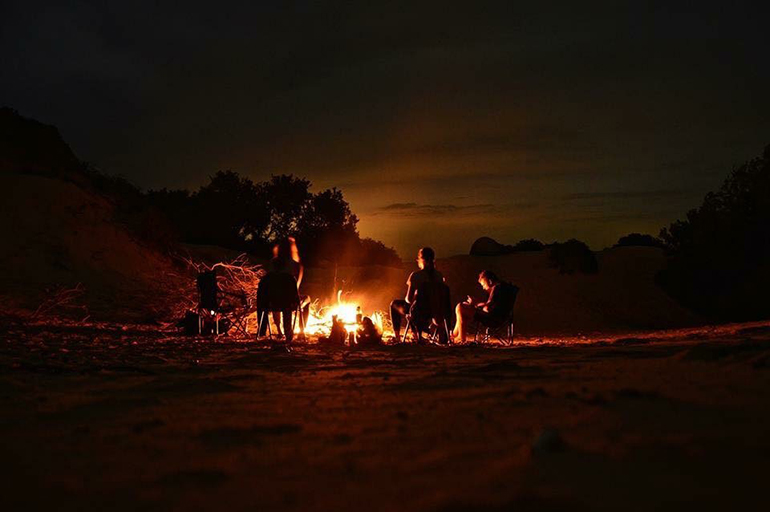
    Feature Image: Allison and her friends hang out around a fire in Australia. Photo by Ryan Hubbard.

    On my early morning walks in Buenos Aires, I loved watching the rising sun crawl over buildings. While working in Melbourne, I watched for ever-changing graffiti. Every day in Spain, I looked forward to my mid-morning snack of café con leche and chorizo sandwich.

    These are pieces of my life abroad I wish I could still experience. But beyond missing my new routines, what I miss the most are the human connections I made in those places. There’s nothing like a good laugh over a cup of coffee, or learning about a country’s troubled past through a local’s explanation of a mural that give simple things – like a latte or street art – more meaning.

    From chatting with local classmates to making friends through shared interests, meeting locals during your Greenheart Travel program can help you learn the language, culture and history of the country. (Plus, making friends is a lot of fun.)

    Couchsurfing
    Allison with friends she met through Couchsurfing.

    If it weren’t for locals, I wouldn’t have learned what Australians mean when they say esky, why Argentines walk around sipping tea from a gourd (mate!) or the reason why people say molt be instead of muy bien in some parts of Spain.

    So, how do you make connections when you’re in a new country and speaking a new language? At first, putting yourself out there might seem challenging. But, taking the initiative to make local connections has the potential to make any program – whether it’s a few weeks or a few months – more memorable.

    Here are a few of our favorite ways to meet people abroad:

    Language Exchanges

    Language exchanges are a great way to meet locals while improving your skills and helping them hone theirs! A language exchange is an event where language learners typically spend half the allotted time in one language and the other in another. Sounds perfect, right?

    Check social media sites like Facebook or ask your host family if they know of one near you. Linda Correll, a teach in Colombia alum, says she went twice a week to an exchange in her area called “Let’s Talk Pereira”. This event had an informal, conversational atmosphere and “ended up being a large part of my social life during my two years there,” she says.

    Even if you can’t find a language exchange in your area, try asking a coworker or neighbor for language help. For example, Kirt Smith, a teach in Thailand alum, says after he learned basic Thai he asked co-teachers for help reading and writing. “It’s a great ice-breaker and I gained a lot of Thai friends doing this,” he continues, “I found out that taking the time to learn more about the language is a fast-track method to earning a lot of respect among Thai people.”

    Use a Networking Application or Website

    Besides traditional social media outlets like Facebook and Instagram, there are many networking sites to help meet locals. For example, while living in Melbourne, I attended an event through the Welcome Dinner Project, an organization that connects establish Australians with newcomers. I met people of all social backgrounds and tried homemade dishes from each part of the world represented at the dinner.

    If you’re not in Australia, check for similar organizations in your destination and try the following websites:

    Couchsurfing is best known for connecting travelers with free places to stay around the world, but many people don’t realize it’s also a great social tool. Just as some use the site to find locals to stay with, you can reach out to locals that you have common interests with. Many “hosts” (locals) often plan social events for locals and travelers to meet. I connected with a Japanese man in Tokyo, and we spent an afternoon exploring the Akihabara area.

    Meetup.com is a site that connects people based on shared interests. Around the world, people host “meet ups” to practice capoeira, learn to cook, discuss literature with a book club – or anything else you could think of! This is a great way to continue a hobby while you’re abroad, or even start a new one.

    Cambodia
    Allison participated in a cooking class while in Siem Reap, Cambodia.

    For foodies, there are two sites – Eatwith.com and Bonappetour.com – that give you the opportunity to have chefs cook for you – right from their home! Because other people join the events, you’ll meet lots of folks as interested in trying new cuisines as you.

    Join Sports Teams

    No matter where you are in the world, sports are an important part of life. They may differ – though soccer seems to have a stronghold throughout the globe – but people love to be active. Marissa Ruxin, a teach in Colombia alum, joined ultimate Frisbee teams in both places she taught in Colombia. She had a blast, and made friends!

    Teach in Colombia
    Marissa Ruxin and her frisbee team in Colombia.

    Besides practicing his Thai, Smith also learned the game of takraw (ตะกร้อ) by asking local men in the park to teach him. “The men were extremely welcoming and thought it was cool having a foreigner want to learn how to play. It quickly became a regular activity and we would often end up eating dinner together at the night market afterwards,” he says.

    Ask Co-workers, Teachers and Host Families for Recommendations

    One of the best ways to meet people is through your established networks. With Greenheart Travel programs, you’ll be with host families (and in some cases also have networks at schools) to ask for recommendations.

    They will have a much more in-depth knowledge of the city and its surroundings, so whatever activity you might be interested in doing use them as a resource.

    Buenos Aires
    Some of Allison’s friends at Buenos Aires’s Gay Pride parade.

    While I was studying in Buenos Aires, I asked my classmates if they knew anything about a conference I had heard about – the Encuentro Nacional de Mujeres, an annual women’s rights conference. As it turned out, one of my classmate’s sisters was going, and he connected me with her. Two weeks later I was on a 30-hour bus ride from Buenos Aires to Posadas, Misiones with 40 other woman. As I’m sure you can guess, I learned a lot of new Spanish and made many lasting friendships.

    It never hurts to ask for connections – you never know where it might lead.

    Lastly, Remember to Get out of Your Comfort Zone

    Speaking with locals can be intimidating. You might be nervous about your shaky French or suddenly blank on the Japanese word for restaurant when you’re asking a classmate for a recommendation. Maybe you’d rather sleep in on a Saturday than go on a rigorous morning hike, or perhaps you’re not in the mood to try the local delicacy in your town in Myanmar with your co-teacher.

    Uluru Australia
    Allison traveled through the Australia outback with new friends.

    Remember that starting a conversation or going to a new place for the first time might seem like a lot of effort, but the payoff of great experiences and good friends makes it worth it. I’ve had some of biggest laughs and greatest memories at events I almost didn’t attend.


    Ready to put your fears aside and see what happens when you get out of your comfort zone? Contact us!

  • Meet the Greenheart Travel Team: Allison Yates

    Meet the Greenheart Travel Team: Allison Yates

    Meet Allison Yates, Greenheart Travel’s High School and Short-Term Abroad Programs Coordinator!

    Allison was 16 year-old when she took her first trip abroad, where she participated in a mini-exchange with a high school in Billericay, England. She graduated from Indiana University with degrees in International Studies, Spanish and Near Eastern Languages and Cultures.

    She studied for a year in Buenos Aires, Argentina; taught English and was an au pair in Ibiza, Spain; and worked in Melbourne and Darwin, Australia, which explains why she has the habit of drinking mate, eating dinner late and signing off emails with “cheers.”

    She’s traveled to over 30 countries and hopes to soon visit Brazil, India and South Africa. She also writes freelance about travel, women and society and in her free time loves listening to podcasts, belting her favorite reggaeton songs, reading anything fascinating, and trying to learn social Latin dances.

    Read on to learn a bit more about Allison’s favorite cuisine, aha moments while traveling and which spirit animal she resonates with most.

    Q: Where did you grow up?

    I grew up in Fishers, Indiana, a suburb of Indianapolis. It was a very quaint childhood, something my foreign (or even sometimes East Coast/West Coast) friends tend to laugh at – it was the stereotypical “American” high school experience.

    Q: What is your favorite international city?

    I feel like I’m cheating on Buenos Aires (one of my most favorite cities in the whole world) by saying this, but Istanbul is a place I was so impressed by. I only got to stay for five days, but it would take five years to see all of it! I loved the food, the river, the colors, the diversity and the goofy people I met.

    Q: What is your secret talent?

    Some people in the office have participated in eating competitions and aren’t aware I also have a competitive spirit when it comes to food. I once ate an entire watermelon in a matter of minutes and won a medal (it was on a cruise, but let’s say it still counts as a legit competition!).

    Q: If you could eat only one country’s style of food for the rest of your life, which would it be?

    Spanish food! While in Spain I lived with a host family and never tired of some of their favorites. First, the ultimate charcuterie board: dates, olives, cheese, breads and sausages (I’m a big fan of chorizo, and a special sausage from Ibiza called sobrasada). Plus, mussels in garlic sauce, tortilla española, and every version of a rice dish you could imagine. Maybe I could sneak in more avocados and then I’d be really happy.

    Q: Complete the sentence: When I grow up I want to __________.

    Be an expert in a certain part(s) of the world, and be sent there to write (or “report on”) about it.

    Q: What is your spirit animal?

    Based on my tendencies to be startled easily and jerk my head at sudden noises, I think I’m most connected to the murcat.

    Q: What is your favorite travel “AHA! moment” or memory?

    This is hard one to choose, but one moment I’m grateful I witnessed was a pre-wedding hammam ceremony in Fez, Morocco. I happened to visit a hammam on the same day of the ceremony. As the only non-wedding party person there, they invited to join in all the festivities. I was singing and dancing with a bunch of strangers and really had no idea what was happening – but it was amazing!

    Q: What is your favorite thing about working for Greenheart Travel?

    Everyone at the office has a great sense of humor. Besides that, the office itself has a warm atmosphere. It’s decorated with world maps and “wanderlusty” posters, so I feel right at home.

  • Teaching Tips Tuesday: How to Balance Work and Play while Teaching English Abroad

    Teaching Tips Tuesday: How to Balance Work and Play while Teaching English Abroad

    Deciding to teach abroad in Myanmar eight months ago was one of the best decisions I ever made. Teaching English seemed like a fun and achievable way for me to foster my travel bug and I wasn’t wrong! Since leaving home, I’ve been able to travel around Asia, meet incredible people, and eat some delicious food. It really has been quite the adventure. 

    That being said, there have definitely been moments here when I felt frustrated with my job or uneasy being so far away from home. I’ve found that to help cope with these feelings, it’s imperative to have a fulfilling work/life balance. Teaching is of course a huge part of your journey living abroad, but it’s equally important to fill your time with adventure and things you loved to do at home.

    Below is a list of six ways to create a healthy balance of your work life and your free time so that you can make the most of your teaching abroad experience:

    Be flexible, in and out of the classroom

    One very important thing I’ve learned living between Myanmar and Vietnam for seven months is that things change all the time. Classes will get canceled, you’ll be asked to cover someone else’s class last minute, people will send you the wrong schedule, locations change, kids won’t respond well to your lesson plan… The list goes on.

    Simply put, you have to be ready to adapt.

    Ali Haymes teaching English to novice nuns in Myanmar.

    I’ve learned the hard way that trying to control all these situations just leads to more stress and anxiety. It can definitely be frustrating when things don’t go as planned or you don’t feel prepared, but this is all part of the charm of living in Asia.

    Once I learned to accept that things constantly change and that nothing is ever as organized as you may hope it will be, teaching here became much more enjoyable. If you’re flexible in your schedule and in your mindset (and always have extra games to play in class), you’ll be able to lead a much happier life abroad.

    An empty classroom in Vietnam.

    Take a break

    Being a teacher abroad you will quickly find that there is an abundance of teaching positions available. You’ll constantly be offered new jobs and cover classes. This can be a great source of additional income! But, you can always say, “No.”

    It’s great to have the option to fill your time with more classes, especially if you’re hoping to save up some money. But, I’ve found it equally as important to remember that you aren’t solely here to teach. You aren’t obligated to teach on your day off or to pick up that early morning class on Sundays. You can take a break. Giving myself this freedom has really allowed me to enjoy the time that I do teach even more.

    A scenic view of Vietnam.

    Find your spot

    One thing I think can be helpful in a positive work/life balance is finding different spaces for these two worlds. Hanoi in particular has an incredible coffee culture, there’s a cafe almost every other store front. Finding a place where you can only lesson plan and do work can be very beneficial.

    I’ve found a couple cafes where I often go and sit with my laptop for a few hours, lesson plan, blog, and get brunch. I’ve also found some cafes where I go to just enjoy being outside and have some fresh juice, maybe read a book. Having these spaces outside of home is very helpful to ease your mind and create a healthy balance of how much you work each day.

    I can go to a cafe knowing that I will work for a little bit and then I can be done and enjoy the rest of the day, or I can go to the place knowing that I’m taking a break from work. Whether I’m going for work or to relax, setting aside this time has been a great benefit to organizing my free time.

    At a cafe in Hanoi, Vietnam.

    Connect with other teachers

    Connecting with other teachers is not only a great way to ease yourself into life abroad, but it can also help you balance and blend your work and free time. While it’s great to have separate spaces for where you work and where you relax as mentioned above, in some cases, mixing the two can also help you feel more at home while living abroad. It’s quite easy to connect with other teachers in Myanmar and Vietnam, and I’m sure equally as simple on any Greenheart Travel program!

    You will be surrounded by lots of other people having very similar experiences to you and this can be used to your advantage. Fellow teachers will likely become your dear, dear friends while living abroad. These can be people you go to if you have a difficult student in your class, or people you go to if you are feeling homesick. You can talk to your fellow teachers about what games work and don’t work in your classes, or you can plan weekend trips together.

    Living and interacting with other teachers outside of work has been greatly rewarding for me in this sense. Being able to have a great connection to so many teachers has helped me through tough times at work, and also been a great emotional support while I’ve been here.

    A group of teachers exercising together in Yangon, Myanmar.

    Make time for your passions

    This is one of the most crucial things you can do while living abroad. Create a perfect balance of work and play. While teaching can be fun and it’s an excellent way to contribute to a society while also supporting yourself in another country, it may not be everyone’s passion. As such, it’s important to also fill your time with things you would enjoy doing at home.

    For example, I’ve found a yoga studio in my neighborhood that also offers aerial classes, something I did growing up in Chicago. It has been so wonderful to be able to take an aerial class in the morning before my lessons in the evening. This helps me relax before class and not get too stressed about lesson planning. It has also helped me meet more expats and teachers to connect with! If you work evenings and weekends as many people in Vietnam do, it’s especially easy to fill your days with your hobbies and then work in the evenings, creating a nice mix of working and relaxing.

    Ali doing aerial yoga in Hanoi, Vietnam.

    Get out of the city

    My last recommendation to have a full life teaching English abroad is to get out of the city you’re placed in. Living in Yangon, Hanoi, or somewhere equally as busy can get a bit overwhelming. It’s wonderful to have so many amenities around you, but the crazy traffic, crowded streets, and pollution can take a toll on your well being. And sometimes this can have a negative effect on your teaching ability and how you feel in the classroom.

    Taking a day or two to get away from it all can be rejuvenating and make you feel ready to take on teaching with a whole new attitude. Luckily, there are incredible mountains and gorgeous landscapes to explore only a few hours outside of Hanoi, and many other cities in Southeast Asia. Especially if you are feeling overwhelmed in the city, taking a short trip can be a perfect way to gain some perspective and feel ready to jump back into the classroom.

    A vibrant street view in Yangon, Myanmar.


    Greenheart Travler, Ali Haymes, taught English in Myanmar through Greenheart Travel for three months, before venturing off on her own to find a teaching position in Vietnam. Follow along on her Southeast Asian adventures!

    Looking for more advice? Head to our teaching tips page!

  • Teaching Tips Tuesday: Advice for Living with and Teaching English to a Host Family

    Teaching Tips Tuesday: Advice for Living with and Teaching English to a Host Family

    There are countless options to teach English overseas, but not all offer the chance to truly immerse in another language like Greenheart Travel’s Teach English in a Homestay programs.

    A huge perk of teaching English to a host family is that your classroom is also your dwelling space. This makes coming up with real-life situations to help your host family naturally practice English quite easy. However, living with a host family comes with all sorts of potential challenges as well, so it’s best to know some helpful tips to make the most of your experience before you go!

    Continue reading for advice from Greeheart Travel alums about living with and teaching English to a host family!

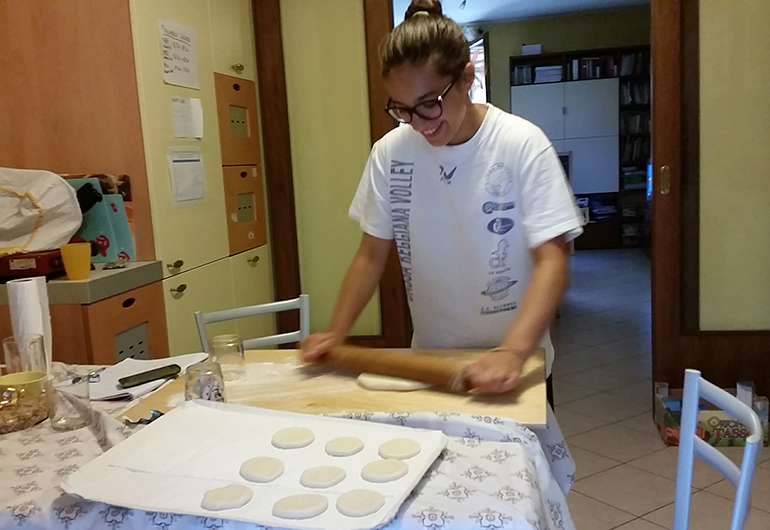
    Using a recipe to teach English to a host family.

    Helping Students Practice English Reading and Writing in a Homestay

    Ingrid Bocanegra is a Greenheart Traveler tutoring English in a homestay in Italy. She’s found that Italians are very proud of their cuisine through her teaching experience so far, and dishes up some great insight for incorporating talk of food into English lessons.

    Using a Recipe to Practice English

    I encouraged my host family to write down some of the most popular recipes from their region. We started by cooking a recipe. Then, I announced sentences describing the cooking procedure step-by-step. Once we were done with the recipe, I asked them to write down the list of ingredients used along with the instructions. After they finished, I corrected their grammar and gave them some feedback.

    I find this approach very appropriate as it helps learners to establish associations between real-world events and written sentences. It also helped them to expand their food vocabulary and improve the use of the past tense in a sentence.

    Two Italians practicing English by writing.
    Ingrid’s host siblings studying English.

    Survival Tips for Living with a Host Family

    Lela Ferrigno studied high school abroad in Spain with Greenheart Travel, and is currently an English teacher in a homestay in Brazil. In the USA, her family has hosted an exchange student once, and she has lived with a total of three families during her adventures abroad.

    I can say with complete certainty that living with a host family and being a host family, is the most rewarding cultural experience I’ve had.

    – Lela Ferrigno

    A selfie taken in Brazil.
    Lela taking a selfie with her host mother.

    The following are observations Lela has made and learned that have helped her navigate the ins and outs of living with a host family:

    • First and foremost, when in doubt or worried/confused about a situation with the family, I always remind myself that hosting is most likely a new experience for them too, and they are trying their best.
    • Being a host family also takes adjusting and compromise, and they probably wouldn’t have signed up to host if they didn’t want to share their life and culture with you.
    • Whenever there’s confusion about something—just ask! A host family wants you to be just as comfortable as you want to be.
    • The first weeks will be awkward at times as each of you learn more about each other.
    • To help fit in, observe your host family’s routine and try to find your place in that.
    • Participate and be open to what they offer, and share your own home-life with them. Show pictures of family/friends, talk about hobbies you enjoy, and make small-talk over meals.
    • I’ve also found that making friends and participating in activities outside of the family can help give each of you some space—as long as it’s not all the time.
    • Keep in mind that a smile goes a long way!

    Living with a host family will be difficult at times, but it really is an amazing experience that reveals the best of people and a better understanding of yourself and your own family.

    Friends pose for a photo in Brazil.
    Lela with friends in Brazil.

    Living with and teaching English to a host family is an incredible opportunity to immerse in the culture and language of another country, while at the same time help share your culture and language. Get ready for loads of beautiful and awkward moments, as they go hand-in-hand with living with a host family. Just remember the ups and downs as well as rewards and frustrations are all part of the overall recipe for a life-changing experience.

    Here are more ideas to help you prepare for teaching English abroad!


    Have you lived with and/or taught English to a host family? Share your tips below!

  • Teaching Tips Tuesday: How to Prepare for Your Teach Abroad Experience Before You Go

    Teaching Tips Tuesday: How to Prepare for Your Teach Abroad Experience Before You Go

    Perhaps you’re just starting to consider teaching overseas. Maybe you’ve already applied and are anxiously waiting to hear if you’ll be tutoring in a homestay in Chile. Or, you’re going to teach in China, but you’ve got a few months to prepare before departure. Getting ready to move to another country with a Greenheart Travel teach abroad program is thrilling, but there’s so much to do!

    Don’t worry! We’ve got you covered.

    Take a breath. Realize you’re making an awesome life decision. Share your intentions on social media so everyone can be excited for you, and most importantly, prepare for teaching English overseas by hitting the books, gaining more experience, seeking advice, and grabbing a few items you may need in the classroom.

    Here are some proactive ways to prepare for your teach abroad experience before you go:

    Give Online Tutoring a Try

    Online tutoring is becoming more and more popular, and this is a great means to gain real teaching experience—while getting paid—before you go abroad. Lots of online tutoring providers offer training and teaching materials to boot. Another plus side of doing online tutoring is you can do so from nearly anywhere with a decent Internet connection.

    Volunteer as an ESL Tutor with a Local Organization or School

    A child in a Thai classroom.
    A young student in a classroom in Thailand.

    There are so many volunteer opportunities out there to help you gain actual in-person English tutoring experience, and the best part is you get to give back while doing so. Several of our Greenheart Travelers have volunteered at refugee centers, alongside working adults who speak English as a second language, or within special programs at underserved inner-city public schools.

    Try doing a quick Internet search to find reputable organizations in your area offering volunteer ESL tutoring hours. Many are one-on-one instructing gigs, but if given a choice we’d recommend working with a classroom of students; if possible, as oftentimes while teaching English in another country, you might find yourself in front of a room of 30+ students.

    Brush Up on the English Language

    ABC stencil letters of a world map.

    Sometimes you just know something, but you don’t really know how you know it. You know? This is likely a common situation for several of our English teachers overseas. At least it was for me. Countless times my students asked me a question about grammar, and I simply couldn’t put into words why I knew what I knew. I just knew.

    “Because it just is…” only works so many times.

    Basically, I’ve had to relearn how I learned English in order to be a more effective teacher over the years.

    It seems when you naturally acquire a language you don’t always know what many of the terms are for what you’ve been doing right (or possibly even wrong) all along (even if you paid attention during English classes in school). What are conditionals? Would you confidently know the correct past perfect form of all verbs? Could you help your students practice future progressive sentences? Brush up on your English!

    Get TEFL/TESOL Certified

    Kara studying for the Online TEFL certification course.

    Even if you it isn’t required for you to get TEFL certified to teach English abroad, it’s a very good idea to do so. Having a TEFL (TESOL) certification makes you a more competitive applicant, increases the chance you’ll have a higher starting salary, and indicates you know a thing or two about teaching English as a second or other language.

    In addition, not only do you gain classroom teaching experience, even while taking our online TEFL certification course, you learn necessary management techniques, the basics of lesson planning, and you become part of a larger community of people just as passionate as you are about traveling for a change by teaching English overseas.

    “As an already licensed teacher, I wasn’t sure if this certification would be strongly beneficial to me or not. I was applying to teach English in Thailand, and since Greenheart Travel’s program offers the certification course in Thailand, I decided to go for it. I’m very glad that I did because there were many new and useful techniques I learned throughout the certification.”

    – Lindsey Gall, Greenheart Travel teacher in Thailand and Colombia

    Raid the Dollar Section at Your Retail Store of Choice

    A teacher with kids in Thailand.
    Greenheart Travel alumna, Lindsey Gall, with her students in Thailand.

    You know how discount retailers such as Target have specific sections where everything is under a few bucks? It’s that stuff that usually lines your walk to the checkout counters with things you suddenly, absolutely need to purchase. Well, believe it or not, many of these last-minute ‘toss ins’ are perfect to take with you to use in the classroom! You never know when you’re going to need those little mind puzzles, the animal flashcards, or that mini dry-erase board. So, look out!

    About any little gadget can be made into a teaching tool, and nearly every activity can transform into an educational game. Even if you have no idea what you’d use some of these small items for when you’re impulse buying them, most would make great prizes for incentives, and can often go along with a theme or a topic of a future lesson.

    “Come with some supplies or simple games… The dollar store is a great place to go to find things like stickers with English words on them. …Additionally, there are many great flashcards and card games that are fun to bring along, as well, such as ‘Spot It’. I used these often when I tutored students after school.”

    – Lindsey Gall, Greenheart Travel Teach Abroad alumna

    Connect with Others Who’ve Done It

    A teacher with students in a Thai classroom.
    A Greenheart Travel teacher abroad.

    What better way to prepare for teaching abroad than to reach out to others who’ve gone before you, or are currently doing a teach abroad program. Connect with other Greenheart Travelers to get answers before you head out! We have a large number of teachers who’ve blogged for us, or are just a Facebook post, comment or message away.

    Our Teach in Thailand, Teach in Colombia, and Teach in Korea Facebook pages are quite active. It’s especially helpful to engage with Greenheart Travel alumni to understand what some of your future students might be interested in.

    “I think one of the biggest things that helped me prepare, was reading all of the blogs posted by current/previous teachers on Greenheart Travel’s website talking about their experiences and tips that helped them.”

    – Lisa Dershowitz, Greenheart Travel Teach in Thailand alumna

    Ask Your Friends, Family, or Even Past Teachers for Advice

    One of the most meaningful moments I had during my first years of teaching overseas was when it dawned on me how much I had gained from a particular teacher who helped me learn how to read when I fell behind my peers in elementary school. It had been years since I had even seen this teacher, but I reached out to her nonetheless to not only thank her for teaching me how to read, but to also ask her more about the curriculum she used to get me to where I needed to be in regards to comprehension.

    Ask your friends, your family members, and connect with your past educators for advice on their teaching and/or learning experience. Your personal network of connections is an absolute wealth of knowledge and resources, and it’ll mean a lot to those you know to get to be part of your overseas teaching adventure in this way. Later on you could even ask them to correspond with your students!


    We share teaching tips every Tuesday on our blog and Facebook page to help you feel as ready and as excited as possible to step right into your classroom abroad. Whether it’ll be your first class ever, or you’ve lost count of how many students you’ve taught, we hope the guidance of our Greenheart Travel community is useful. Do you have any other ideas for ways to be proactive about preparing to teach in another country? Tell us in the comments below!

    How does getting TEFL certified abroad sound?

  • 6 Tips for Teaching Reluctant English Learners

    6 Tips for Teaching Reluctant English Learners

    You’ve arrived in your new country, you’ve settled in with your host family, and you’ve gathered your arsenal of English-language materials. You’re pumped and ready for your first lesson. When you finally meet your pupils, you let your passion and excitement for the language show…only to realize that they don’t quite feel the same way. Que horrible!

    What to do when your students aren’t feeling the English-learning love? Here are some tips that have helped me keep them interested.

    • Don’t force English on them. If they’re already wary of it, making them memorize verbs or repeat phrases is going to turn them away even more. The trick is to make learning English seem like an option, one that’s in their best interest of taking. A good way of doing this is to make English seem incredibly fun, and that they’ll be missing out on the magic if they avoid practicing it (this is especially effective with younger students). Utilizing a “take-it-or-leave it, but it’s your loss if you leave it” attitude has helped me keep students engaged.
    • Keep your lessons short. Nothing kills a reluctant student’s morale more than a long-winded lesson. Bite-sized chunks of info are better both for their memories and their attention skills.
    • Figure out their interests and cater to them. They like food? Plan your lessons around culinary and cooking. Someone has an undying love of cats? Bring in pictures of yours, make up a story featuring them, or play movie clips of the Aristocats. If learning English coincides with what they already like, they’ll be much more likely to engage with you.
    • Change it up. Make every lesson different. People like new experiences, and it’s no different when they’re learning a language. If one day you play a movie, the next day do something more active. Play games, sing songs, draw, color, write, and your students will love you. 
    • Have them teach you words in their language. This has been the most effective tip for me. By giving them some autonomy, you switch roles and allow them to feel in control. Even if someone has no interest in learning, he/she may have some interest in And when that person tells you a word or phrase in their language, it gives you the opportunity for you to teach him/her the English version of it. It’s win-win.
    • Not everything has to be an official lesson. Sometimes it’s good to just talk and play with your pupils. This is less intimidating and doesn’t feel like something they have to do (see Tip #1). Show them you’re not just an English teacher, but also their friend. You’ll go a long way in earning their respect and attention.

    Hopefully, utilizing these tips will help you on your English-teaching journey. Always persevere, keep a sense of humor and an open mind, and remember that patience is key. Tomorrow will bring a fresh start. You’ve got this!

    Anyone have more tips to share? Let us know in the comments! Happy travels.